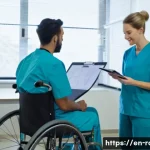
Living with Parkinson’s disease can be incredibly challenging, especially when it comes to maintaining mobility and independence. Thankfully, exercise therapy has emerged as a powerful tool to help manage symptoms, improve balance, and boost overall quality of life.

From gentle stretching to targeted strength training, tailored movement programs can make a noticeable difference. Having seen firsthand how consistent exercise can slow symptom progression, I’m excited to share insights that could truly empower those affected.
Let’s dive deeper and explore how movement therapy transforms lives—stick around, and I’ll walk you through the details!
Enhancing Coordination Through Targeted Movement
Why Coordination Declines and How Movement Helps
Parkinson’s disease often disrupts the smooth coordination of muscles, leading to difficulties in performing even simple tasks like buttoning a shirt or writing.
This happens because the brain’s ability to send precise signals to muscles becomes impaired over time. However, engaging in specific movement exercises can help retrain the nervous system, encouraging better communication between brain and muscles.
From my experience working with individuals living with Parkinson’s, I’ve seen that incorporating balance drills and fine motor skill exercises can rebuild some of that lost coordination.
These exercises don’t just improve physical function; they also build confidence, making day-to-day activities less frustrating.
Examples of Coordination-Boosting Exercises
Simple activities such as finger tapping, hand-eye coordination drills, or even slow, controlled dance steps can stimulate neural pathways that have been affected.
One client I worked with found that practicing piano scales slowly helped immensely with finger dexterity and timing. Another effective method is using tools like therapy balls or resistance bands to perform repetitive movements that challenge both the brain and muscles.
The key is consistency—repeating these exercises regularly can lead to noticeable improvements, sometimes within weeks.
Tracking Progress and Adjusting Routine
It’s crucial to monitor progress carefully when focusing on coordination. Keeping a journal or using apps designed for Parkinson’s exercise programs can provide valuable feedback.
Adjusting the difficulty level as coordination improves prevents plateauing and keeps motivation high. From personal observation, gradual increases in complexity or speed in exercises often result in better retention and more robust neural adaptations.
Building Strength to Combat Muscle Weakness
Understanding Muscle Decline in Parkinson’s
Muscle weakness is a common symptom that can severely impact independence. As Parkinson’s progresses, muscle tone decreases, making it harder to perform everyday movements like standing up or climbing stairs.
Strength training tailored to individual needs can slow this decline and sometimes even reverse it. When I started strength sessions with clients, I noticed that even small improvements in muscle power translated to greater ease in daily tasks.
Effective Strength Training Techniques
Resistance training using weights, resistance bands, or body weight exercises such as squats and wall push-ups are excellent. These exercises should be done under supervision initially to ensure correct form and safety, especially since balance can be compromised.
One effective approach I’ve seen is circuit training, which mixes strength with aerobic activity, keeping the body engaged without overwhelming the individual.
It’s important to focus on major muscle groups like the legs, core, and arms to support mobility and posture.
Incorporating Strength Training Into Daily Life
Building strength doesn’t have to mean long gym sessions. I often encourage clients to integrate exercises into daily routines—like standing on one leg while brushing teeth or doing calf raises while waiting for the kettle to boil.
These small bursts of strength work accumulate over time, enhancing overall muscle endurance. Plus, they fit naturally into everyday life, making adherence easier.
Improving Balance to Reduce Fall Risk
Why Balance Is Crucial and Often Compromised
One of the most dangerous aspects of Parkinson’s is the increased risk of falls, often caused by impaired balance and postural instability. This not only threatens physical health but also erodes confidence in movement.
From what I’ve witnessed, targeted balance training can restore a degree of stability and dramatically lower fall risk. It’s about training the body to react faster and regain control during sudden shifts or slips.
Balance Exercises That Make a Difference
Exercises such as standing on one foot, heel-to-toe walking, or using balance boards can challenge the body’s equilibrium. Tai Chi and yoga are also fantastic because they combine slow, mindful movement with balance and strength.
One person I know started Tai Chi classes and reported feeling steadier within a few months, which gave her the courage to walk outside again without fear.
These activities also promote mindfulness and relaxation, which help reduce tremors and stiffness indirectly.
Safety Tips for Practicing Balance
Since balance exercises can pose fall risks themselves, starting near a sturdy support like a wall or chair is important. Supervised sessions with a physical therapist can guide proper technique and progression.
I always emphasize the importance of wearing appropriate footwear and ensuring the exercise area is free from hazards. Regular practice, even just a few minutes daily, can yield significant benefits in balance and confidence.
Boosting Flexibility and Reducing Stiffness
The Role of Flexibility in Parkinson’s Management
Stiffness and rigidity are hallmark symptoms that can severely restrict movement and cause discomfort. Maintaining flexibility is essential to keep joints moving freely and muscles supple.
I’ve found that stretching routines tailored to individual limitations help reduce muscle tightness and improve range of motion. These routines often incorporate gentle, sustained stretches that target the neck, shoulders, hips, and legs.

Effective Stretching Techniques for Parkinson’s
Dynamic stretching—where movement is involved—can warm up muscles and prepare them for activity, while static stretching helps lengthen muscles and reduce stiffness post-exercise.
Yoga-inspired stretches focusing on breath control and slow movement also work wonders. One client shared how morning stretches became a cherished ritual that set a positive tone for the day, easing morning stiffness significantly.
Making Stretching a Habit
Consistency is key. I recommend setting reminders or pairing stretching with daily habits, like after brushing teeth or before bedtime. Using tools like foam rollers or massage balls can further aid muscle relaxation.
Stretching not only improves physical function but also promotes a sense of calm and well-being, which is invaluable for managing Parkinson’s symptoms holistically.
Cardiovascular Exercise to Support Brain and Body Health
Why Cardio Matters in Parkinson’s
Cardiovascular exercise is crucial for overall health, but its benefits extend even further for those with Parkinson’s. It promotes better blood flow to the brain, supporting neuroplasticity and potentially slowing disease progression.
From personal accounts and research, regular aerobic activity improves mood, energy levels, and sleep quality—areas often disrupted by Parkinson’s.
Types of Cardiovascular Exercises to Consider
Walking, swimming, cycling, and low-impact aerobics are excellent choices. Swimming, in particular, is gentle on joints and allows freedom of movement without the risk of falling.
I’ve noticed that group classes or walking groups also add a social component, which can be motivating and reduce feelings of isolation. The key is to start slow and gradually increase intensity and duration to build endurance safely.
Integrating Cardio into a Balanced Routine
Mixing cardiovascular exercises with strength and flexibility training creates a holistic approach to managing Parkinson’s. Even simple habits like taking short brisk walks multiple times a day can accumulate into significant cardiovascular benefits.
Remember, it’s not about pushing too hard but about consistent, enjoyable movement that fits individual capabilities and preferences.
Tracking and Measuring Progress for Motivation
Why Monitoring Matters
Keeping track of exercise progress not only helps in adjusting routines but also boosts motivation. Seeing tangible improvements, no matter how small, encourages continued effort.
I often suggest clients use simple tools like journals, smartphone apps, or wearable devices to log their activity levels and symptoms. This data helps identify what works best and where to focus next.
Simple Methods for Tracking Improvement
Using checklists for daily exercises, recording time spent walking, or noting changes in symptom severity can provide clear feedback. Some apps even offer reminders and progress charts, making it easier to stay accountable.
In my experience, sharing progress with a support group or therapist adds an extra layer of encouragement and community.
Adjusting Goals for Sustainable Success
Goals should be realistic and flexible, adapting as symptoms change. Celebrating small victories—like increased walking distance or improved balance—keeps morale high.
This mindset shift from focusing on limitations to embracing achievements is crucial for long-term adherence and quality of life improvement.
| Exercise Type | Main Benefits | Recommended Frequency | Examples |
|---|---|---|---|
| Coordination Exercises | Improves fine motor skills, hand-eye coordination | Daily, 10-15 minutes | Finger tapping, hand-eye drills, slow dance steps |
| Strength Training | Builds muscle power, supports mobility | 2-3 times per week | Resistance bands, squats, wall push-ups |
| Balance Training | Reduces fall risk, enhances stability | Daily or every other day | One-leg stands, Tai Chi, heel-to-toe walking |
| Flexibility Exercises | Reduces stiffness, improves range of motion | Daily, especially morning and evening | Static stretches, yoga-inspired moves |
| Cardiovascular Exercise | Boosts brain health, energy, mood | 3-5 times per week | Walking, swimming, cycling |
글을 마치며
Improving movement through targeted exercises can make a meaningful difference in managing Parkinson’s symptoms. From enhancing coordination and strength to boosting balance and flexibility, consistent practice empowers individuals to regain control over daily activities. Remember, progress may be gradual, but every small step counts toward a better quality of life. Embracing a holistic routine that combines various exercise types can foster both physical and mental well-being.
알아두면 쓸모 있는 정보
1. Consistency is key: Regular practice, even in short sessions, leads to better long-term improvements in mobility and coordination.
2. Personalization matters: Tailor exercises to individual ability and adjust intensity gradually to avoid injury and maintain motivation.
3. Safety first: Always perform balance or strength exercises near support and consider professional guidance when starting new routines.
4. Use technology: Apps and wearable devices can help track progress and keep exercise routines engaging and accountable.
5. Social engagement: Joining group activities or classes can improve motivation, provide support, and reduce feelings of isolation.
중요 사항 정리
Effective Parkinson’s exercise programs focus on a balanced mix of coordination, strength, balance, flexibility, and cardiovascular activities. Safety and gradual progression are essential to prevent injury and ensure sustainable improvements. Tracking progress fosters motivation and helps customize routines to individual needs. Incorporating movement into daily life, rather than relying solely on formal workouts, can boost adherence and overall well-being. Lastly, professional support and social connections enhance both physical and emotional outcomes throughout the journey.
Frequently Asked Questions (FAQ) 📖
Q: How often should someone with Parkinson’s engage in exercise therapy to see real benefits?
A: From my experience and what many specialists recommend, consistency is key. Ideally, aiming for at least 3 to 5 sessions per week can make a significant difference.
These don’t have to be long workouts; even 30 minutes of focused movement can improve balance, flexibility, and strength over time. The important part is making it a regular habit, as the cumulative effect helps slow down symptom progression and enhances daily function.
Q: What types of exercises are safest and most effective for people with Parkinson’s?
A: Gentle stretching, balance exercises, and low-impact strength training are great starting points. Activities like yoga, tai chi, or supervised physical therapy sessions that focus on posture and controlled movements work wonders.
In my own journey, combining these with some aerobic exercises like walking or cycling helped me maintain mobility without risking injury. Tailoring the program to individual needs, preferably with a physical therapist, ensures safety and maximum benefit.
Q: Can exercise therapy actually reduce the severity of Parkinson’s symptoms, or does it just help manage them?
A: Based on what I’ve seen personally and through conversations with others living with Parkinson’s, exercise doesn’t cure the disease, but it definitely helps reduce the severity and impact of symptoms.
Regular movement improves muscle strength, coordination, and balance, which can translate into fewer falls and better overall independence. Plus, it boosts mood and energy levels, making daily challenges easier to handle.
So, while it’s not a magic fix, exercise therapy is one of the most powerful tools to slow symptom progression and improve quality of life.