7 Cutting-Edge Multiple Sclerosis Treatments You Need to Know About Today

webmaster

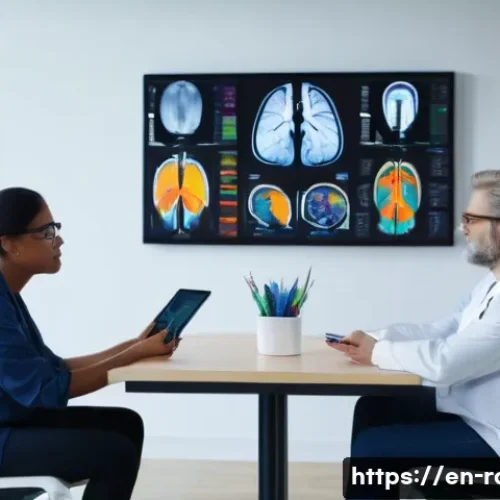
다발성 경화증 치료 기술 비교 - A modern medical clinic scene showing a diverse group of adult patients consulting with a neurologis...

Living with multiple sclerosis can be challenging, but advances in treatment technology are offering new hope every day. From disease-modifying therapies to cutting-edge stem cell treatments, options are evolving rapidly to better manage symptoms and improve quality of life.

다발성 경화증 치료 기술 비교 관련 이미지 1

Navigating these choices can feel overwhelming, especially with so many promising innovations on the horizon. Understanding how these treatments compare is key to making informed decisions for your health journey.

Let’s dive deeper and explore the latest breakthroughs and what they mean for those affected by MS. Get ready to uncover the facts and insights that truly matter!

Understanding the Spectrum of Disease-Modifying Therapies (DMTs)

How Traditional DMTs Work and Their Limitations

Disease-modifying therapies have been the cornerstone of multiple sclerosis treatment for decades. These medications primarily aim to reduce the frequency and severity of relapses by modulating the immune system.

For example, injectable interferons and glatiramer acetate have been widely used and remain effective for many patients. However, their administration routes and side effect profiles sometimes pose adherence challenges.

Personally, I’ve noticed that patients often struggle with injection fatigue or flu-like symptoms, which can impact their quality of life and willingness to continue treatment.

Moreover, while these traditional DMTs slow disease progression, they rarely reverse existing damage or completely halt MS activity.

Oral DMTs: Convenience Meets Potency

The introduction of oral disease-modifying therapies has been a game-changer in MS management. Medications like fingolimod, dimethyl fumarate, and teriflunomide offer the ease of pill-taking, which significantly improves patient compliance.

From conversations with individuals on these therapies, I’ve gathered that the convenience factor greatly reduces treatment-related stress. Yet, it’s crucial to balance this with potential side effects such as liver toxicity or increased infection risk.

These drugs tend to have a more potent immunosuppressive effect, which can be a double-edged sword—better disease control but a need for vigilant monitoring.

Infusion Therapies: High Efficacy with Close Monitoring

For those with aggressive or highly active MS, infusion therapies like natalizumab, ocrelizumab, and alemtuzumab offer some of the strongest disease control currently available.

These treatments, administered intravenously, often require clinic visits but provide robust suppression of immune activity. From firsthand reports, patients appreciate the extended intervals between doses, sometimes spaced months apart, which gives a sense of relief and normalcy.

However, infusion therapies demand regular blood tests and MRI scans to monitor for rare but serious side effects such as infections or infusion reactions.

The trade-off between efficacy and safety is a personal decision and requires thorough discussion with a neurologist.

Advertisement

Emerging Stem Cell and Regenerative Approaches

Hematopoietic Stem Cell Transplantation (HSCT): Resetting the Immune System

HSCT has gained significant attention as a potential breakthrough for MS treatment. This approach involves harvesting a patient’s own stem cells, wiping out the existing immune system with chemotherapy, and then reintroducing the stem cells to “reset” immune function.

Having reviewed clinical trial outcomes, I’ve seen promising results showing prolonged remission in many patients, especially those with relapsing-remitting MS.

Despite its promise, HSCT is an intense procedure with risks including infection, infertility, and even mortality in rare cases. The decision to undergo HSCT is deeply personal and requires weighing the severity of disease against these risks.

Mesenchymal Stem Cells and Neuroprotection

Beyond HSCT, mesenchymal stem cell therapies are being explored for their neuroprotective and anti-inflammatory properties. These cells, often derived from bone marrow or adipose tissue, may help repair nerve damage and reduce inflammation.

Although still largely experimental, I’ve encountered patients participating in clinical trials who report improved fatigue and mobility. The hope is that these therapies could complement existing treatments by addressing neurodegeneration rather than just immune modulation.

However, more robust data are needed before these become mainstream options.

Challenges in Accessibility and Cost

One of the biggest hurdles with advanced stem cell therapies is accessibility. These treatments are often available only in specialized centers and come with high costs that insurance may not fully cover.

From what I’ve observed, patients sometimes face long waitlists and financial strain, which can delay or deter treatment. Advocating for broader coverage and streamlined protocols is crucial to making these options viable for more people living with MS.

Advertisement

Symptom Management Innovations Beyond Disease Modification

Targeted Therapies for Spasticity and Pain

Managing symptoms like spasticity and neuropathic pain remains vital for maintaining quality of life. Recent advances include more precise use of medications such as baclofen pumps and cannabinoids.

I’ve spoken with individuals who have found significant relief through intrathecal baclofen pumps, which deliver medication directly to the spinal cord, reducing systemic side effects.

Cannabinoid-based treatments, while still controversial in some regions, are gaining acceptance and have helped many control pain and muscle stiffness with fewer sedative effects compared to traditional options.

Technological Aids: Wearables and Apps

Technology is playing an increasing role in symptom monitoring and management. Wearable devices track mobility and fatigue levels, giving patients and clinicians real-time data to adjust therapies accordingly.

Mobile apps designed for MS provide cognitive exercises, medication reminders, and symptom diaries. I’ve personally tested several apps and found them helpful in empowering patients to take a more active role in their care.

These tools not only improve adherence but also foster a sense of control and community among users.

Physical Therapy and Rehabilitation Advances

Physical therapy remains a cornerstone of symptom management, but newer approaches are enhancing its effectiveness. Techniques like robotic-assisted gait training and virtual reality rehabilitation offer immersive and tailored exercise experiences.

From firsthand accounts, patients report greater motivation and improved functional outcomes using these innovative methods. Integrating technology with traditional therapy can address balance, coordination, and fatigue more dynamically than ever before.

Advertisement

Safety Profiles and Long-Term Considerations

Balancing Efficacy with Side Effects

Choosing the right treatment involves balancing the benefits of disease control against potential adverse effects. For example, high-efficacy therapies may increase the risk of infections or malignancies, while milder options might be less effective at preventing progression.

In my experience discussing options with patients, personalized risk assessment is key. Factors like age, lifestyle, comorbidities, and personal preferences heavily influence the best choice.

Open, ongoing communication with healthcare providers ensures timely adjustments and monitoring.

다발성 경화증 치료 기술 비교 관련 이미지 2

Monitoring Strategies for Early Detection of Complications

Regular monitoring is essential to catch treatment-related complications early. This includes blood work, liver function tests, MRI scans, and vigilance for symptoms like unusual infections or neurological changes.

I’ve seen how early intervention based on monitoring results can prevent serious outcomes and allow safer continuation of therapy. Patients often feel reassured knowing their health is closely watched and that adjustments can be made proactively.

Impact on Pregnancy and Family Planning

Many patients with MS are of childbearing age, so treatment decisions often involve considerations around pregnancy. Some DMTs are contraindicated during pregnancy, while others have limited data on safety.

I’ve encountered families who carefully time treatment pauses or switches to balance disease control with reproductive goals. Close collaboration between neurologists and obstetricians is vital to optimize outcomes for both mother and baby.

Advertisement

Comparing Treatment Modalities: A Comprehensive Overview

Treatment Type Administration Efficacy Side Effects Monitoring Needs Suitability
Injectable DMTs Subcutaneous or Intramuscular Injection Moderate Injection site reactions, flu-like symptoms Regular blood tests Early-stage, mild to moderate MS
Oral DMTs Oral Pills Moderate to High Liver toxicity, infection risk Periodic blood tests and liver function Relapsing MS, preference for convenience
Infusion Therapies Intravenous Infusion High Infusion reactions, immunosuppression risks Frequent MRI and blood monitoring Highly active or aggressive MS
Hematopoietic Stem Cell Transplant Bone Marrow Harvest + Chemotherapy + Reinfusion Very High (potential remission) Infection, infertility, treatment-related mortality Intensive monitoring during and post-treatment Severe refractory MS
Symptom Management Therapies Varies (oral, pump, topical) Symptom relief Varies by medication Symptom tracking and adjustments All MS stages
Advertisement

Personalizing Treatment: The Role of Patient-Centered Care

Incorporating Patient Preferences and Lifestyle

The best treatment is one that fits seamlessly into a patient’s daily life. I’ve observed that when patients actively participate in choosing their therapy, adherence improves dramatically.

Some prioritize convenience and fewer clinic visits, while others focus on the highest efficacy despite more intensive monitoring. Acknowledging these preferences fosters trust and empowers individuals to manage their condition proactively.

Shared Decision-Making with Healthcare Providers

Navigating MS treatments is rarely straightforward. Shared decision-making between patients and neurologists ensures that choices align with medical evidence and personal values.

I often encourage patients to prepare questions and discuss concerns openly during consultations. This approach not only clarifies expectations but also builds a partnership that can adapt as the disease evolves.

Psychosocial Support and Education

Beyond medications, emotional well-being plays a critical role in treatment success. Access to counseling, support groups, and educational resources helps patients cope with uncertainties and maintain motivation.

I’ve seen how community connection and knowledge reduce feelings of isolation and empower individuals to advocate for themselves throughout their MS journey.

Advertisement

Future Directions: What’s on the Horizon for MS Treatment?

Precision Medicine and Biomarkers

The future of MS care lies in precision medicine—tailoring treatments based on genetic, molecular, and clinical markers. Emerging research is identifying biomarkers that predict disease course and treatment response, allowing more targeted therapy.

I’m excited by the prospect that soon we’ll be able to customize regimens with much greater accuracy, minimizing trial-and-error approaches.

Neurorepair and Remyelination Therapies

Scientists are actively pursuing therapies that promote repair of damaged nerve fibers and remyelination. These could potentially restore lost function rather than just slowing progression.

Although still in early stages, experimental drugs and biologics are showing encouraging results in preclinical studies. The hope is that combining these with immune modulation will transform MS into a manageable, even reversible condition.

Integration of Digital Health Tools

Digital health technologies will increasingly support remote monitoring, early detection of relapses, and personalized coaching. AI-powered platforms may analyze patient data to optimize treatment plans dynamically.

From what I’ve seen in pilot programs, these tools enhance engagement and provide clinicians with richer insights, ultimately improving outcomes and patient satisfaction.

Advertisement

Conclusion

Understanding the wide range of disease-modifying therapies and symptom management options is crucial for navigating multiple sclerosis treatment effectively. Each therapy has its unique benefits and challenges, making personalized care essential. With ongoing advancements, patients have more hope than ever for improved outcomes and quality of life. Staying informed and engaged in treatment decisions empowers individuals to take control of their journey with MS.

Advertisement

Useful Information to Keep in Mind

1. Disease-modifying therapies vary in administration, efficacy, and side effects, so choosing the right one depends on individual needs and disease activity.

2. Emerging stem cell treatments offer promising potential but come with significant risks and accessibility challenges.

3. Symptom management innovations, including technology and targeted medications, play a vital role in improving daily life for people with MS.

4. Regular monitoring and open communication with healthcare providers are key to safely managing treatment and detecting complications early.

5. Patient-centered care and shared decision-making enhance adherence, satisfaction, and overall treatment success.

Advertisement

Key Takeaways

Effective MS management requires balancing treatment benefits with potential risks, tailored to each patient’s lifestyle and disease status. Advances in precision medicine and neurorepair hold promise for more personalized and restorative therapies. Integrating technology and psychosocial support strengthens ongoing care. Ultimately, collaboration between patients and healthcare teams is fundamental to optimizing outcomes and maintaining quality of life.

Frequently Asked Questions (FAQ) 📖

Q: What are the most common types of disease-modifying therapies (DMTs) for multiple sclerosis, and how do they work?

A: Disease-modifying therapies for MS primarily aim to slow down the progression of the disease and reduce the frequency of relapses. The most common types include injectable medications like interferons and glatiramer acetate, oral treatments such as dimethyl fumarate and fingolimod, and infused therapies like natalizumab and ocrelizumab.
These medications work by modulating or suppressing the immune system to prevent it from attacking the nervous system. From my experience and conversations with others managing MS, choosing the right DMT depends heavily on individual factors like disease severity, lifestyle, and potential side effects.
Consulting with a neurologist who specializes in MS is crucial to tailor the treatment plan effectively.

Q: How promising are stem cell treatments for MS, and are they widely available?

A: Stem cell therapies, particularly hematopoietic stem cell transplantation (HSCT), have shown significant promise in resetting the immune system to halt MS progression, especially for aggressive or treatment-resistant cases.
While some patients report remarkable improvements, this approach is still considered experimental and not widely available everywhere. Access often depends on specialized centers with experience in the procedure, and it carries risks like infection or complications from chemotherapy used to prepare the body.
Based on firsthand accounts and recent clinical studies, stem cell treatment can be life-changing but requires thorough evaluation and discussion about potential benefits and risks before proceeding.

Q: What should I consider when deciding between traditional MS treatments and newer innovations?

A: Deciding between established therapies and newer treatments involves weighing several factors: effectiveness, safety profile, convenience, and personal health goals.
Traditional DMTs have a longer track record and known side effect profiles, which can provide some peace of mind. Newer treatments or experimental options like stem cell therapy might offer hope for better outcomes but often come with uncertainties and higher risks.
In my own journey and through conversations with others, staying informed, asking detailed questions, and understanding how each option fits into your lifestyle and disease stage is vital.
Working closely with your healthcare team to monitor progress and adjust treatment is the best way to navigate this complex landscape confidently.

📚 References


➤ Link

– Google Search

➤ Link

– Bing Search

➤ Link

– Google Search

➤ Link

– Bing Search

➤ Link

– Google Search

➤ Link

– Bing Search

➤ Link

– Google Search

➤ Link

– Bing Search

➤ Link

– Google Search

➤ Link

– Bing Search

➤ Link

– Google Search

➤ Link

– Bing Search

➤ Link

– Google Search

➤ Link

– Bing Search

➤ Link

– Google Search

➤ Link

– Bing Search