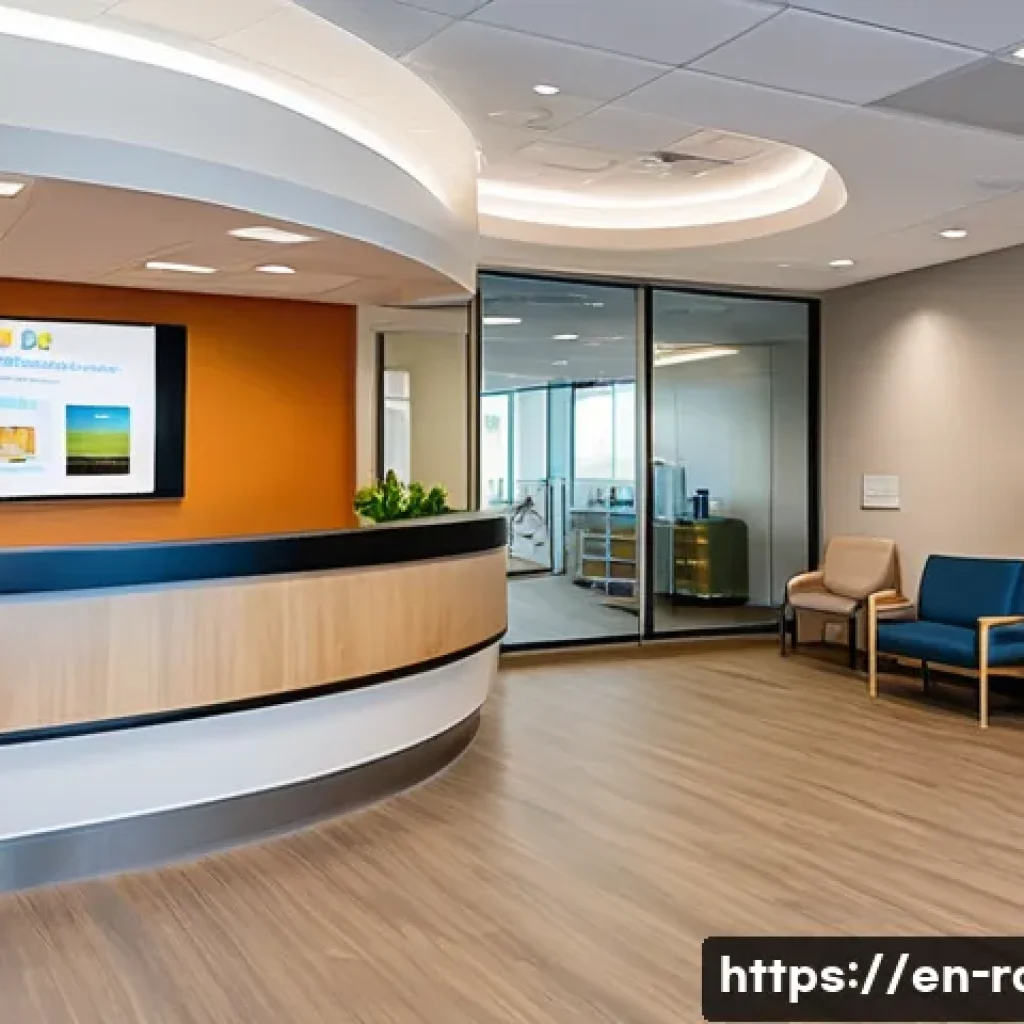
Finding the right medical center for multiple sclerosis treatment can be a challenging journey, especially with so many options available. It’s crucial to choose a hospital or clinic that offers specialized care, cutting-edge therapies, and a compassionate approach tailored to individual needs.

From neurologists experienced in MS to comprehensive rehabilitation programs, the quality of care can significantly impact your health and quality of life.
Many patients benefit from centers that combine advanced research with personalized treatment plans. If you’re exploring your options, understanding what makes a hospital stand out is key.
Let’s dive deeper and explore how to find the best MS treatment center for you!
Understanding Specialized Care in Multiple Sclerosis Treatment
The Importance of Experienced Neurologists
When it comes to managing multiple sclerosis, having a neurologist who truly understands the complexities of the disease can make a world of difference.
These specialists not only diagnose MS accurately but also tailor treatment plans based on the specific type and progression of the condition. In my experience, neurologists who stay updated with the latest research and emerging therapies provide patients with more effective and personalized care.
The confidence you gain from knowing your doctor is well-versed in MS often helps ease the anxiety that comes with navigating such a challenging diagnosis.
Cutting-Edge Therapies and Treatment Options
Modern MS treatment centers often offer an array of innovative therapies beyond the standard disease-modifying drugs. For example, some centers provide access to clinical trials exploring new medications or advanced infusion therapies like monoclonal antibodies.
I noticed that patients who engage with these advanced treatment options often report better symptom management and slower disease progression. Facilities that combine traditional and experimental treatments tend to stand out, giving patients hope through options that might not be widely available elsewhere.
Holistic Approach: Beyond Medication
A comprehensive MS treatment center doesn’t just focus on medication; it embraces a holistic approach. This means integrating physical therapy, occupational therapy, mental health support, and lifestyle counseling into the care plan.
From personal experience, centers that offer multidisciplinary rehabilitation services help patients maintain independence and improve their quality of life substantially.
The emotional and psychological support provided by such centers also plays a crucial role, as MS can often be as mentally draining as it is physically challenging.
Evaluating Hospital Facilities and Support Services
State-of-the-Art Diagnostic and Monitoring Tools
An essential factor in choosing the right MS treatment center is the availability of advanced diagnostic equipment. MRI machines with high-resolution imaging capabilities, neurophysiological testing, and lab facilities for blood and cerebrospinal fluid analysis are critical for monitoring disease progression.
I’ve seen firsthand how centers with cutting-edge technology provide more accurate assessments, enabling timely adjustments to treatment plans, which can be crucial for better outcomes.
Accessibility and Patient-Centered Amenities
Accessibility is often overlooked but plays a vital role in long-term treatment adherence. Centers that are easy to reach, offer flexible scheduling, and provide transportation assistance can significantly reduce the stress of frequent visits.
On top of that, amenities such as patient education workshops, support groups, and wellness programs contribute positively to the overall patient experience.
From what I’ve observed, a welcoming and supportive environment encourages patients to stay engaged with their treatment regimen.
Insurance and Financial Counseling Services
MS treatments can be costly, and navigating insurance coverage can be daunting. Top-tier treatment centers often have dedicated financial counselors to help patients understand their insurance benefits, apply for assistance programs, and manage out-of-pocket expenses.
I found that having access to these resources alleviates a lot of the financial anxiety that many patients face, allowing them to focus more on their health rather than the burden of medical bills.
Personalized Treatment Plans and Patient Involvement
Collaborative Decision-Making Process
One of the most empowering aspects of a great MS treatment center is the emphasis on patient involvement in care decisions. Centers that foster open communication between patients and their healthcare teams enable a collaborative approach, where treatment goals are discussed and agreed upon.
This shared decision-making often results in higher satisfaction and better adherence to treatment protocols because patients feel heard and respected.
Tailoring Therapies to Individual Needs
Multiple sclerosis manifests differently in every patient, making personalized treatment plans essential. I’ve noticed that centers offering a variety of therapeutic options — including lifestyle modifications, symptom management strategies, and alternative therapies — allow for a more customized approach.
This flexibility helps address not just the physical symptoms but also cognitive and emotional challenges unique to each individual.
Regular Monitoring and Plan Adjustments
MS is a dynamic disease, and treatment plans need to evolve as symptoms change. The best centers schedule regular follow-ups and use precise monitoring tools to adjust therapies accordingly.
From my experience, patients who receive this ongoing evaluation often avoid unnecessary complications and maintain a higher quality of life over time.
Support Networks and Community Resources
Peer Support and Patient Advocacy Groups
Connecting with others who understand the MS journey can be incredibly uplifting. Many treatment centers facilitate peer support groups where patients share experiences, coping strategies, and encouragement.
I recall how valuable these networks were for people in my circle, as they helped reduce feelings of isolation and provided practical advice that only someone living with MS could offer.
Educational Programs and Workshops
Education is power, especially when managing a chronic illness like MS. Top centers often host workshops on topics such as symptom management, nutrition, exercise, and mental health.
Attending these sessions helped some of my friends feel more in control of their condition and motivated to make positive lifestyle changes that complemented their medical treatments.
Resources for Caregivers
Caregivers play a vital role but often need support themselves. Treatment centers that offer caregiver training, counseling, and respite services provide a much-needed lifeline.
From what I have seen, when caregivers feel supported and educated, they are better equipped to assist patients, which improves outcomes for everyone involved.
Geographical Location and Travel Considerations
Proximity to Home and Travel Ease

Choosing a treatment center close to home or easily accessible by public transport can reduce the burden of frequent visits. I’ve noticed that patients who don’t have to travel long distances tend to stick more consistently to their appointments, which is crucial for effective disease management.
When local options are limited, some patients opt for centers with telemedicine capabilities to minimize travel.
Accommodation and Support for Out-of-Town Patients
For those who must travel farther, centers that provide or coordinate nearby lodging and transportation support make a big difference. I’ve encountered families who found it much easier to manage long-term treatment when the hospital had arrangements with local hotels or offered patient housing.
This kind of logistical support helps reduce stress and financial strain during intensive treatment periods.
Telehealth Services and Remote Monitoring
The rise of telemedicine has transformed how MS care can be delivered, especially for patients living in rural areas. Centers offering virtual consultations and remote symptom monitoring allow patients to maintain regular contact with their care teams without the hassle of travel.
From personal observations, telehealth options improve adherence and provide timely interventions, which can be life-changing for many.
Comparing Key Features of Leading MS Treatment Centers
| Feature | Center A | Center B | Center C |
|---|---|---|---|
| Neurologist Expertise | Team of MS specialists with research backgrounds | Experienced neurologists with focus on progressive MS | Multi-disciplinary neurology team |
| Therapy Options | Access to clinical trials and infusion therapies | Comprehensive rehab and symptom management | Innovative disease-modifying drugs and alternative therapies |
| Patient Support Services | Peer groups, counseling, and education workshops | Caregiver support and financial counseling | Telehealth and transportation assistance |
| Technology & Diagnostics | High-resolution MRI and advanced labs | Neurophysiological testing and monitoring tools | Remote monitoring devices and telemedicine |
| Accessibility | Located in urban center with public transport access | Suburban setting with parking and shuttle services | Rural location with telehealth focus |
Insurance Coverage and Financial Planning for MS Care
Understanding Insurance Policies and Coverage
Navigating insurance for MS treatment can be overwhelming, especially since some therapies and services are expensive or not fully covered. I’ve found that patients who take the time to understand their policy details—what’s included and excluded—tend to avoid unexpected costs.
Insurance plans vary widely, so consulting with financial advisors at treatment centers can be a lifesaver.
Financial Assistance Programs and Grants
Many MS centers are connected with organizations offering financial aid, grants, or drug assistance programs. These resources can help cover treatment costs, transportation, or even home modifications.
From personal accounts, patients who tap into these programs experience less financial stress and can focus better on their health.
Planning for Long-Term Care Expenses
MS is a chronic illness with fluctuating needs, so it’s smart to plan financially for the long haul. Some centers provide financial planning services that help patients prepare for future costs related to rehabilitation, assistive devices, or potential hospitalizations.
This proactive approach often gives patients and families peace of mind, knowing they have a plan in place.
Evaluating Patient Reviews and Reputation
Importance of Patient Testimonials
Reading reviews from other patients can offer invaluable insights into what you can expect from a treatment center. I always recommend looking beyond star ratings and focusing on detailed testimonials that discuss the quality of care, communication, and overall experience.
Honest feedback often highlights strengths and weaknesses that official websites might not reveal.
Recognizing Accreditation and Awards
Centers recognized by reputable organizations for MS care usually meet high standards of quality and safety. Accreditation from bodies like the National Multiple Sclerosis Society or certifications for rehabilitation services can indicate a trustworthy facility.
I’ve found that such credentials often correlate with better patient outcomes and satisfaction.
Visiting Centers and Meeting the Team
If possible, scheduling a visit to prospective treatment centers allows you to gauge the atmosphere and meet the healthcare team firsthand. During these visits, you can ask questions about treatment philosophies, support services, and what to expect during visits.
From my experience, this personal connection is crucial in building trust and confidence in your care providers.
글을 마치며
Choosing the right multiple sclerosis treatment center is a deeply personal journey that can significantly impact your health and well-being. From expert neurologists and cutting-edge therapies to supportive communities and financial guidance, every aspect matters. Taking time to evaluate centers carefully empowers you to make informed decisions that align with your unique needs. Ultimately, the best care is one that respects your individuality while providing comprehensive support.
알아두면 쓸모 있는 정보
1. Always verify that your chosen MS treatment center has neurologists with specialized experience in managing different MS types, as this expertise influences treatment success.
2. Explore whether the center offers access to clinical trials or emerging therapies, which can provide additional options beyond standard treatments.
3. Consider the availability of holistic services like physical therapy, mental health support, and lifestyle counseling to address both physical and emotional challenges.
4. Check for patient-centered amenities such as flexible appointment scheduling, transportation assistance, and peer support groups to ease the treatment journey.
5. Understand your insurance coverage thoroughly and seek centers with financial counseling services to manage costs effectively and avoid unexpected expenses.
중요 사항 정리
When selecting an MS treatment center, prioritize facilities that combine specialized medical expertise with advanced diagnostic technology and personalized care plans. Equally important are comprehensive support services that include emotional and financial assistance, ensuring patients and caregivers feel supported throughout the process. Accessibility and convenience can enhance treatment adherence, while patient involvement in decision-making fosters trust and better health outcomes. Thorough research and firsthand visits can provide valuable insights, helping you choose a center that truly meets your needs and lifestyle.
Frequently Asked Questions (FAQ) 📖
Q: What should I look for when choosing a medical center for multiple sclerosis treatment?
A: When selecting a medical center for MS treatment, prioritize facilities with neurologists who specialize in multiple sclerosis and have a strong track record in managing the disease.
Look for centers offering access to the latest FDA-approved therapies, clinical trials, and comprehensive rehabilitation services like physical and occupational therapy.
A multidisciplinary approach—including psychological support and patient education—is also essential. Personalizing treatment plans to your unique symptoms and lifestyle is a hallmark of top-tier centers.
Visiting the center, asking about their experience with MS patients, and reading patient reviews can provide valuable insight.
Q: How important is it that the medical center offers research and clinical trials for MS?
A: It’s quite important. Medical centers involved in cutting-edge research and clinical trials often have early access to new treatments that aren’t widely available yet.
This can provide additional options if standard therapies aren’t effective or cause side effects. Being treated at a research-active center also means the medical team stays updated with the latest advancements and treatment protocols.
From my own experience and talking with patients, those who had access to clinical trials often felt hopeful and empowered, knowing they were part of pioneering efforts to fight MS.
Q: Can rehabilitation programs make a difference in managing multiple sclerosis?
A: Absolutely. Rehabilitation programs play a crucial role in improving mobility, strength, and overall quality of life for MS patients. Physical therapy helps maintain muscle function and manage symptoms like spasticity, while occupational therapy focuses on adapting daily activities to your abilities.
Speech therapy and cognitive rehabilitation may also be beneficial if MS affects communication or thinking. I’ve seen firsthand how patients who engage in tailored rehab programs often report less fatigue and better independence, which significantly enhances their daily living experience.
Choosing a center that integrates these services with medical treatment is a smart move.