Hey everyone! Our homes should be our ultimate comfort zones, but for those navigating the daily realities of ALS, or Lou Gehrig’s disease, their living environment takes on a profoundly critical role.
I’ve personally seen how the right adaptations can transform a house into a true sanctuary, fostering independence and significantly enhancing quality of life.
It’s about more than just accessibility; it’s about creating a space where dignity, ease, and hope thrive. I’m incredibly passionate about this topic, and I know together, we can uncover some amazing strategies.
So, let’s get into the nitty-gritty of making these essential home improvements a reality.
Embracing Accessible Bathroom Design for Dignity and Ease

When it comes to home adaptations for ALS, the bathroom is often the first place my mind goes. It’s such a personal space, and maintaining independence here can make a world of difference to someone’s spirit and daily routine.
I’ve personally seen how a thoughtfully designed bathroom can transform what might feel like a daunting task into a manageable, even comfortable, part of the day.
We’re talking about more than just grab bars; we’re aiming for a space that supports both physical needs and emotional well-being, where safety never compromises dignity.
It’s about creating an environment where simple acts like showering and personal hygiene can be performed with ease and privacy, fostering a sense of autonomy that’s so precious.
Transforming the Shower Experience
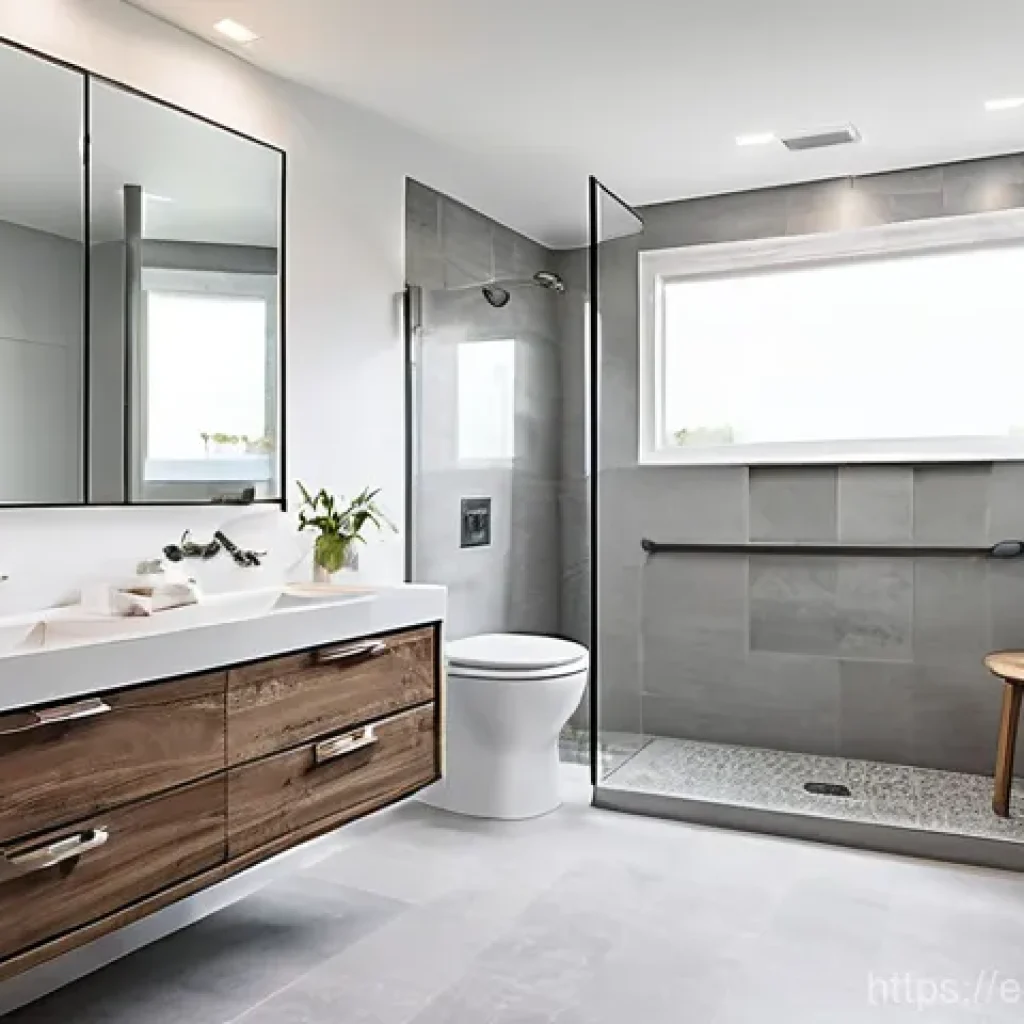
Forget those tiny, step-over tubs that feel like an obstacle course. For someone living with ALS, a roll-in shower is an absolute game-changer. I’ve heard countless stories, and observed firsthand, the sheer relief when a person no longer has to struggle to get in and out of a shower.
These curbless designs allow easy access for wheelchairs or shower chairs, eliminating the risk of falls. Adding a built-in bench or a sturdy, foldable shower seat provides a safe place to rest, making hygiene routines far less exhausting.
And let’s not overlook the magic of a handheld showerhead – it offers flexibility and control, allowing caregivers or the individual themselves to direct the water precisely where it’s needed without unnecessary strain.
Non-slip flooring, of course, is a non-negotiable safety feature, giving everyone peace of mind.
Upgrading Toilets for Enhanced Support
The standard toilet height can become incredibly challenging as mobility decreases. That’s why a comfort-height toilet, often a few inches taller than traditional models, can make a monumental difference.
It reduces the effort required to sit down and stand up, alleviating pressure on joints and muscles. For even greater support, I always recommend looking into specialized toilet frames or even bidet attachments with warm water and drying functions.
These add a layer of hygiene and independence that can truly boost confidence. Imagine the comfort of knowing you can manage these private moments without undue difficulty – it’s profound.
Prioritizing Safety with Smart Fixtures
Beyond the major structural changes, smaller, smart fixtures play a crucial role in bathroom safety. Motion-sensor lighting, for instance, means no fumbling for switches in the dark, reducing fall risks significantly.
Lever-style faucets are much easier to operate than traditional knobs, especially for hands with limited dexterity. And while grab bars are a given, their strategic placement is key: near the toilet, inside the shower, and by the entrance.
They need to be firmly installed and tested regularly. These seemingly minor details contribute to an overall safer, more user-friendly environment that allows individuals to feel more secure and less vulnerable in their personal space.
It truly is about building confidence through intelligent design.
Navigating Your Home with Unrestricted Mobility
Thinking about how we move through our homes is second nature until suddenly, it isn’t. For someone with ALS, even the simplest transition from one room to another can become a major hurdle.
It’s not just about getting from point A to point B; it’s about maintaining a sense of freedom, of being able to participate in family life, and accessing every part of their sanctuary.
I’ve seen the sheer joy in someone’s eyes when they regain the ability to freely move between floors or rooms, and it underscores how crucial these mobility improvements truly are.
It’s about more than just physical movement; it’s about breaking down barriers and opening up possibilities within their own four walls.
Ramps and Lifts: Your Gateway to Every Level
Stairs are, regrettably, often the biggest barrier in a multi-level home. This is where ramps and lifts step in as true saviors. A well-constructed ramp, with a gentle slope and sturdy handrails, can make entering and exiting the home effortless for someone using a wheelchair or walker.
Inside, stairlifts provide a safe and comfortable way to navigate between floors, offering a simple push-button solution. For more comprehensive needs, platform lifts or even residential elevators can completely transform accessibility.
While these are significant investments, the independence they offer is invaluable. I’ve witnessed the immediate positive impact, turning a previously unreachable floor into a fully integrated part of the home again, whether it’s the bedroom or a favorite study.
Wider Doorways and Open Layouts: Freedom to Move
If you’ve ever tried to maneuver a wheelchair through a standard doorway, you know the frustration. Widening doorways to at least 32-36 inches (81-91 cm) is a fundamental, yet often overlooked, modification that dramatically improves accessibility.
Beyond just doorways, considering a more open floor plan can eliminate tight corners and congested pathways, making it much easier to move around. Removing unnecessary furniture or rearranging layouts to create clear, wide paths is a cost-effective way to enhance mobility.
It’s about creating an unimpeded flow throughout the home, ensuring that every room is reachable without awkward turns or squeezes, allowing for seamless transitions from one activity to the next.
Flooring Choices That Prevent Falls
The right flooring is more than just aesthetics; it’s a critical safety component. Plush carpets, while cozy, can make pushing a wheelchair incredibly difficult and even pose a tripping hazard.
Smooth, low-pile carpets or hard surfaces like hardwood, laminate, or vinyl are generally preferred. The key is consistency – avoiding abrupt changes in flooring type or height between rooms.
Non-slip treatments or area rugs with non-slip backing should be used cautiously, ensuring they don’t become tripping hazards themselves. I’ve heard too many stories of near-misses due to unsuitable flooring, so choosing a stable, even surface is paramount to preventing falls and ensuring secure movement.
Smart Home Tech: Your Personal Assistant
In today’s world, technology isn’t just for convenience; it’s a powerful tool for independence, especially for those living with ALS. I’ve been absolutely amazed by how smart home innovations are revolutionizing daily life, turning daunting tasks into simple voice commands or button presses.
It’s like having a silent, ever-present assistant that anticipates needs and responds instantly. This isn’t about futuristic gadgets; it’s about practical, everyday solutions that empower individuals to control their environment, enhance their safety, and maintain a profound sense of autonomy.
From lighting to communication, smart tech creates a truly responsive and supportive living space.
Voice-Activated Control: Beyond Convenience
Imagine being able to turn off the lights, adjust the thermostat, or even change TV channels without lifting a finger. Voice-activated smart assistants like Amazon Alexa or Google Home are nothing short of miraculous for individuals with limited mobility.
I’ve seen firsthand how liberating this can be. They can control an entire ecosystem of smart devices, from smart plugs for lamps to smart thermostats.
Beyond basic controls, these systems can also facilitate communication, allowing users to make calls or send messages purely through voice. It’s not just about convenience; it’s about maintaining control over one’s surroundings, reducing reliance on others, and fostering a deep sense of self-sufficiency.
Automated Lighting and Climate: Comfort at Your Fingertips
Automated lighting systems, whether controlled by voice, app, or even motion sensors, are fantastic. No more struggling to reach a light switch or navigating a dark room.
You can set schedules for lights to come on and off, or simply ask your smart assistant to illuminate a space. Similarly, smart thermostats allow for precise control over the home’s temperature from anywhere, ensuring optimal comfort without physical effort.
I know how sensitive individuals with ALS can be to temperature fluctuations, so having instant, effortless control is a huge benefit. These systems contribute significantly to comfort and safety, eliminating minor frustrations that can quickly build up over a day.
Security and Communication: Peace of Mind
Smart home technology extends to critical areas like security and communication, offering immense peace of mind. Video doorbells allow individuals to see and speak to visitors without having to get to the door.
Smart locks can be operated remotely or via voice, making it easier to grant access. For communication, specialized systems that integrate with eye-tracking technology or alternative input methods can empower individuals to stay connected with loved ones, manage appointments, and even pursue hobbies.
The ability to monitor their home, communicate effectively, and feel secure within their environment is truly invaluable, fostering confidence and reducing anxiety for both the individual and their family.
Kitchen Adaptations for Culinary Independence
The kitchen, for many of us, is the heart of the home – a place for nourishment, connection, and creativity. But for someone with ALS, it can quickly become one of the most challenging rooms to navigate.
I’ve always believed that adapting the kitchen isn’t just about making food; it’s about preserving the joy of cooking, the dignity of preparing a meal, and the simple pleasure of grabbing a snack independently.
It takes thoughtful planning, but with the right modifications, this vital space can once again become a place of empowerment and enjoyment. It’s truly inspiring to see someone maintain their culinary spirit through these thoughtful changes.
Lowered Counters and Pull-Out Shelves
One of the most impactful changes in a kitchen is adjusting counter heights. Standard counters are often too high for someone in a wheelchair or using a seated position.
Installing sections of lowered counters, particularly near the sink or cooktop, can make food preparation far more accessible and comfortable. Think about how much easier it is to chop vegetables or stir a pot when you’re at the right height.
Beyond fixed counters, pull-out shelves in cabinets are absolute lifesavers. No more bending, reaching, or struggling to find items at the back of a deep cabinet.
Everything becomes easily accessible, reducing strain and increasing efficiency in the kitchen.
Accessible Appliances: Cooking Made Easier
The array of accessible appliances available today is truly impressive. Side-opening oven doors are a fantastic innovation, eliminating the need to reach over a hot, heavy door.
Induction cooktops are not only energy-efficient but also safer, as the surface itself doesn’t get hot, reducing burn risks. Dishwashers with pull-out drawers rather than drop-down doors are also much easier to load and unload.
Even smaller appliances like automatic can openers, single-serve coffee makers, and food processors with large buttons can significantly reduce the effort required for daily tasks.
It’s all about minimizing physical exertion and maximizing the user’s ability to perform kitchen tasks safely and independently.
Ergonomic Utensils and Dining Aids
It’s not just about the big appliances; the small details matter just as much. Ergonomic utensils with larger, easy-to-grip handles can make a huge difference for someone with weakened hand muscles.
Non-slip placemats keep plates from sliding, and specialized cups with lids or weighted bottoms prevent spills. Plate guards can help scoop food onto a fork or spoon more easily.
I often recommend looking into adaptive cutting boards that secure food in place, making it safer to chop ingredients with one hand. These simple, yet ingenious, aids can restore confidence during meal preparation and dining, turning potential frustration into a more comfortable and dignified experience.
Creating Serene and Comfortable Living Spaces
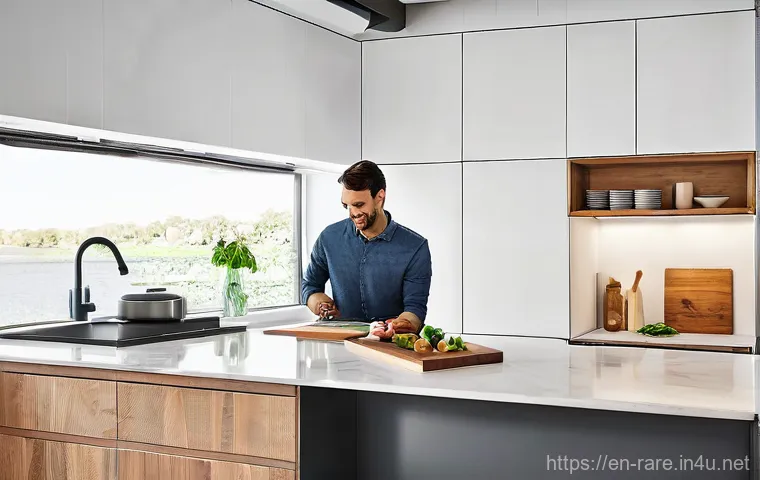
Our living spaces should be sanctuaries, places where we feel completely at ease, able to relax, socialize, and simply be ourselves. For someone living with ALS, optimizing these areas for comfort and accessibility isn’t just a luxury; it’s a fundamental part of enhancing their quality of life.
I’ve always found that a well-designed living room or bedroom can become a true haven, promoting relaxation and making everyday activities more enjoyable.
It’s about more than just physical comfort; it’s about creating an atmosphere that nurtures emotional well-being and allows for moments of true peace amidst the daily challenges.
Adjustable Furniture: Personalized Comfort
The right furniture can make all the difference in a living space. Adjustable beds, for instance, are revolutionary for individuals who need to change positions frequently or require elevated support for breathing.
They offer personalized comfort at the touch of a button. Similarly, lift chairs, which gently assist in standing up and sitting down, are invaluable for those with mobility challenges.
Even simpler items like adjustable-height tables can be incredibly useful, allowing someone to comfortably work on a laptop, eat a meal, or engage in a hobby from their chair or bed.
It’s about tailoring the furniture to the individual’s specific needs, ensuring maximum comfort and support throughout the day.
Sensory Considerations: Lighting and Soundscapes
Beyond the physical aspects, the sensory environment of a living space plays a huge role in comfort and well-being. Adjustable lighting, perhaps with dimmers or smart bulbs, can help create different moods and reduce eye strain.
Natural light is also crucial, so consider window treatments that are easy to open and close. For sound, minimizing harsh noises and introducing calming elements like soft music or a white noise machine can create a more peaceful atmosphere.
I’ve noticed that people often overlook the impact of ambient sounds and lighting, but paying attention to these details can significantly enhance the overall feeling of serenity and reduce stress in the home.
Decluttering for a Calm Environment
Sometimes, the simplest changes are the most effective. A decluttered living space isn’t just aesthetically pleasing; it’s essential for safety and peace of mind.
Removing unnecessary furniture, rugs that could be tripping hazards, and general clutter creates clear pathways for movement. It also reduces visual overload, contributing to a calmer, more organized environment.
A tidy space makes it easier for caregivers to navigate and for the individual to locate items. I always recommend going through each room with a critical eye, asking what truly serves a purpose and what could be removed to create a more open, functional, and tranquil setting.
Less truly can be more when it comes to creating a comfortable and safe home.
Outdoor Accessibility: Enjoying the Fresh Air
There’s something incredibly restorative about fresh air and the outdoors, and for those navigating ALS, ensuring access to these vital spaces is just as important as indoor modifications.
I believe everyone deserves the opportunity to enjoy their garden, their patio, or simply the gentle breeze from their porch. It’s about extending the comfort and accessibility of the home beyond its walls, allowing for moments of connection with nature and community.
These outdoor adaptations aren’t just about utility; they’re about enhancing quality of life, boosting spirits, and providing a crucial sense of normalcy.
Pathway Paving and Garden Planning
Uneven surfaces can be major obstacles. Repaving pathways with smooth, firm materials like concrete, asphalt, or interlocking pavers can create safe, accessible routes around the property.
Think about the width too – pathways should be wide enough to accommodate a wheelchair comfortably. When planning a garden, raised garden beds are fantastic.
They bring the soil up to a comfortable height for someone seated, allowing them to enjoy gardening activities without excessive bending or stretching.
I’ve seen how engaging in light gardening can be incredibly therapeutic, fostering a sense of purpose and connection to nature.
Accessible Entrances and Patio Spaces
The journey from the driveway or sidewalk to the front door should be seamless. If ramps are needed, they should be well-built, with proper slopes and handrails.
Automated door openers can be a huge benefit, allowing effortless entry and exit. For patio spaces, ensuring a level transition from inside to outside is key.
If there’s a step, a small, durable ramp can bridge the gap. Creating a designated, accessible patio area with comfortable, weather-resistant seating allows for outdoor relaxation and socializing.
It’s about making sure that stepping outside to enjoy a sunny afternoon or a cool evening is always an option, not a challenge.
Automated Doors and Security
Beyond physical structures, smart technology can extend its reach to outdoor spaces. Automated gates or garage door openers can be controlled remotely, enhancing convenience and security.
Exterior motion-sensor lighting provides visibility and safety after dark, reducing the risk of falls. Integrated security cameras can offer peace of mind, allowing individuals to monitor their surroundings.
The goal is to ensure that venturing outside, whether for a quick breath of fresh air or to meet a visitor, is always a smooth, safe, and dignified experience.
These adaptations create a truly holistic accessible environment, blurring the lines between indoor and outdoor living.
Exploring Funding and Support for Home Modifications
Let’s be honest: making significant home modifications can be a substantial financial undertaking. But please, don’t let that deter you. I’ve learned that there are numerous avenues and resources available to help ease the financial burden.
Navigating these options can feel overwhelming, but with a bit of research and persistence, you’ll often find support. It’s important to remember that you don’t have to face these costs alone.
Many organizations and government programs understand the critical need for accessible housing and are dedicated to providing assistance.
| Resource Type | Description | Key Considerations |
|---|---|---|
| Government Grants | Federal, state, and local programs offering financial aid for home accessibility modifications. Often specific to disability status. | Eligibility criteria, application deadlines, scope of covered modifications. Research local housing authorities. |
| Non-Profit Organizations | Charities and foundations dedicated to supporting individuals with ALS and other disabilities, often providing direct grants or low-interest loans. | Specific missions and funding priorities, community-based support, advocacy services. |
| Veteran Benefits | Special programs for veterans with service-connected disabilities, including grants for home adaptations (e.g., SAH, SHA grants from the VA). | Service connection requirement, specific grant amounts, application process through VA. |
| Medicaid Waivers | State-specific programs that provide funding for home and community-based services, which can include home modifications, to allow individuals to remain in their homes. | Income and asset limits, state-specific program variations, waiting lists. |
| Private Insurance | Some long-term care insurance policies or health insurance plans may cover certain medically necessary home modifications. | Policy specifics, deductibles, co-pays, requirements for medical necessity documentation. |
Government Programs and Grants
Start your search by looking into government programs. In the U.S., for instance, there are federal and state-level grants designed to help people with disabilities live independently.
Programs like the Home and Community-Based Services (HCBS) waivers through Medicaid can be a lifesaver, covering a range of services including some home modifications.
Veterans also have dedicated support through the Department of Veterans Affairs (VA), with grants like the Specially Adapted Housing (SAH) and Special Home Adaptation (SHA) grants.
These are specifically designed to help eligible veterans adapt their homes to their needs. Don’t shy away from exploring your local housing authority or aging services department, as they often have information on regional grants too.
Non-Profit Organizations and Community Resources
Beyond government aid, a wealth of non-profit organizations exist purely to support individuals and families impacted by ALS. Organizations like the ALS Association are incredible resources, not just for information but sometimes for direct financial assistance or connections to local programs.
They often have lists of trusted contractors and can offer guidance on navigating the funding landscape. Local community centers, disability advocacy groups, and even churches or synagogues might have funds or be able to connect you with volunteers or local charities that can assist with specific projects.
I’ve seen communities rally beautifully around families, offering everything from financial aid to hands-on help.
Understanding Insurance Coverage
It’s always worth a thorough review of your private insurance policies. While standard health insurance typically doesn’t cover extensive home modifications, some long-term care insurance policies might.
If you have a long-term care policy, carefully examine its benefits for home accessibility or assistive devices. It’s crucial to understand what documentation your insurer might require, such as letters of medical necessity from your doctor.
Even if a full modification isn’t covered, parts of it, especially those deemed medically necessary (like a roll-in shower for hygiene), might be. It’s a complex area, but a detailed conversation with your insurance provider can often uncover unexpected avenues of support.
Wrapping Up
As we’ve explored the myriad ways to adapt a home for someone living with ALS, what truly stands out to me isn’t just the physical changes, but the profound impact these modifications have on a person’s spirit. It’s about restoring a sense of control, preserving dignity, and ensuring that home remains a sanctuary, a place of comfort and independence. I’ve personally seen the light in someone’s eyes when they can once again navigate their own space with ease, and that, my friends, is truly priceless. These adaptations aren’t just about managing a condition; they’re about embracing life to the fullest, in every corner of your beloved home.
Helpful Tips to Keep in Mind
When you’re embarking on the journey of adapting a home for ALS, it can feel like a mountain to climb, but trust me, taking it one step at a time and keeping a few key things in mind can make all the difference. From my own observations and experiences, these pointers often come up as invaluable for families navigating these changes. They’re the kind of insights you wish someone had told you from the get-go, helping you to not only manage the practicalities but also preserve your peace of mind and focus on what truly matters: supporting your loved one with dignity and love.
1. Start early and plan comprehensively. Don’t wait until modifications become absolutely urgent. Beginning your research and planning early allows for more thoughtful decisions, better budgeting, and less stress down the line. It also gives you time to explore different options and technologies that might be evolving. Think about future needs, not just current ones, to ensure your modifications have longevity and can adapt as circumstances change. This forward-thinking approach can save a lot of heartache and expense in the long run.
2. Consult with an Occupational Therapist (OT). Seriously, this is non-negotiable! An OT is an invaluable resource who can assess the individual’s specific needs, recommend appropriate modifications, and even help with navigating insurance or funding options. They bring a professional eye to potential challenges you might overlook, ensuring that modifications are not only safe and functional but also truly enhance daily living. Their expertise can help you avoid costly mistakes and prioritize changes that will have the biggest positive impact on independence and quality of life.
3. Explore all funding avenues. I know, money talks, and home modifications can be expensive. But please, don’t assume you have to bear the entire financial burden alone. Dive deep into researching government grants, non-profit organizations, veteran benefits (if applicable), and even private insurance policies. There are often more resources available than people realize, and a little digging can uncover significant support. Organizations like the ALS Association are fantastic starting points for guidance on available assistance and local programs. Every little bit of financial help can make a huge difference.
4. Prioritize changes based on immediate needs and safety. While you might dream of a fully automated smart home, it’s wise to address the most pressing safety concerns and immediate mobility needs first. For example, a roll-in shower or a stairlift might take precedence over smart lighting initially. Creating a safe and accessible environment for daily routines like personal hygiene and moving between rooms should always be at the top of your list. Once those critical needs are met, you can then gradually implement other comfort-enhancing or technologically advanced adaptations, spreading out the costs and effort.
5. Involve the individual in every decision. This is perhaps the most crucial tip of all. Remember, these modifications are for them, and their input, preferences, and feelings are paramount. Maintaining autonomy and a sense of control is incredibly important for someone living with ALS. Collaborative decision-making ensures that the changes truly reflect their needs and desires, fostering a stronger sense of ownership and comfort in their adapted home. It’s not just about making a house accessible; it’s about making it their personalized, dignified, and empowering sanctuary. Their comfort and emotional well-being should always be the guiding stars.
Key Takeaways
In essence, transforming a home for ALS isn’t merely about physical alterations; it’s about profoundly enriching the quality of life, preserving dignity, and empowering independence. We’ve seen how accessible bathroom designs, unrestricted home mobility, and smart home technology can revolutionize daily routines, making the once daunting tasks manageable and comfortable. Thoughtful kitchen adaptations foster culinary independence, while serene living spaces become true havens of peace. Extending accessibility to outdoor areas ensures vital connection with nature, and critically, exploring funding and support options can alleviate the financial strain, making these essential modifications a reality. Every adjustment, big or small, contributes to creating a home that supports, comforts, and celebrates the individual.
Frequently Asked Questions (FAQ) 📖
Q: Where should I even begin when thinking about modifying my home for
A: LS? It feels so overwhelming! A1: Oh, I completely get it.
When you first start looking at home modifications for ALS, it can feel like a mountain of tasks, right? But take a deep breath; we’re going to break it down.
From my experience talking to so many incredible individuals and their families, the best place to start is often with the most used spaces: the bathroom and the main living areas, especially where you’ll be resting or spending most of your day.
Think about your front door – can a wheelchair or walker easily get through? Doorways are often overlooked initially, but widening them to at least 32-36 inches makes a world of difference for future mobility.
In the bathroom, simply adding grab bars around the toilet and in the shower can instantly boost safety and independence. We’re talking about preventing falls, which is paramount.
I’ve heard countless times how a simple shower chair or a handheld showerhead can completely transform the daily routine, making it less physically demanding and much more comfortable.
Don’t feel like you need to overhaul everything at once. Start with what brings immediate relief and safety, then you can gradually expand your plans.
It’s about taking one thoughtful step at a time to create a space that truly supports you.
Q: This all sounds wonderful, but honestly, how do people afford these significant home modifications? What are my options?
A: That’s the million-dollar question, isn’t it? The financial aspect of home modifications for ALS can definitely be a huge concern, and it’s something many families grapple with.
But please know, you’re not alone, and there are absolutely resources out there. First, always check with your health insurance provider, although coverage for home modifications can vary wildly.
Sometimes specific equipment like durable medical equipment (DME) might be covered. Beyond that, many countries have government programs or grants designed to assist individuals with disabilities in making their homes accessible.
For example, in the US, programs through organizations like the Department of Veterans Affairs (if applicable) or state-level initiatives can offer financial aid.
Non-profit organizations dedicated to ALS research and support, like the ALS Association or Muscular Dystrophy Association, often provide grants or have resources to guide you toward funding opportunities.
I’ve personally seen the incredible impact of these groups. Don’t forget about local community organizations or even crowdfunding platforms – sometimes a little community support can go a long way.
And for smaller projects, getting creative with DIY solutions or hiring local handymen for less specialized tasks can save a significant amount. It truly pays to research thoroughly and not be afraid to ask for help from these organizations; they are there for a reason!
Q: Beyond the obvious ramps and grab bars, what are some ‘smart’ or forward-thinking home solutions that can truly make a difference as
A: LS progresses? A3: Ah, now you’re talking my language! This is where things get really exciting, because technology can be an absolute game-changer in maintaining independence and quality of life as ALS progresses.
We’re moving beyond just accessibility to creating a truly intuitive and responsive environment. I’ve been fascinated by the rise of smart home technology, and it’s a huge asset here.
Think about voice-activated lighting, thermostats, or even smart plugs that can turn appliances on and off with a simple command. Imagine being able to adjust the blinds or change the TV channel just by speaking – it restores a significant sense of control.
Eye-tracking communication devices are another incredible advancement, allowing individuals to operate computers, communicate, and even control certain smart home functions with just their gaze.
I’ve seen firsthand how liberating this can be. Also, don’t underestimate the power of thoughtful furniture choices, like adjustable beds or lift chairs, which can make transfers and repositioning so much easier and more comfortable.
And looking ahead, considering a stair lift or even a residential elevator for multi-story homes is a powerful way to ensure the entire home remains accessible, rather than being confined to one floor.
These aren’t just gadgets; they’re vital tools that empower individuals to continue living fully and comfortably in their own homes.