It’s truly heartbreaking to see a loved one, or even a friend of a friend, grapple with Parkinson’s disease. The tremors, the stiffness, the challenges with everyday movements – it affects not just the individual but their whole support system.
When I first started learning about it, I realized how crucial it is to understand that while there’s no cure yet, there’s immense power in proactive management.
We often focus on medication, and rightly so, but I’ve personally seen how the right rehabilitation program can be an absolute game-changer, bringing back a sense of control and improving quality of life in ways you wouldn’t believe.
It’s not just about managing symptoms; it’s about rediscovering capabilities and maintaining independence. Think about it: imagine being able to cycle again, or dance, or just walk with a little more confidence – that’s the impact we’re talking about.
The exciting news is that the field of Parkinson’s rehabilitation is constantly evolving, with incredible breakthroughs emerging that offer more personalized and effective ways to help.
From adaptive deep brain stimulation that learns your brain’s unique patterns in real-time to innovative cell therapies aiming to replace damaged neurons, the future is looking brighter than ever for enhancing daily life.
We’re moving beyond a one-size-fits-all approach, focusing on tailored programs that truly meet individual needs, whether it’s through cutting-edge technology like virtual reality or tried-and-true methods like high-intensity exercise that actually show signs of slowing disease progression.
It’s about empowering individuals to take an active role in their well-being. Let’s explore exactly how these modern approaches to Parkinson’s rehabilitation can make a profound difference.
It’s genuinely inspiring to see how much progress we’re making in helping people with Parkinson’s reclaim parts of their lives. It’s not just about managing the tough symptoms; it’s about nurturing a sense of hope and demonstrating that there are real, tangible ways to improve daily living.
When I look at the landscape of Parkinson’s care today, it’s clear that a dynamic, personalized approach to rehabilitation is key. We’re moving away from a one-size-fits-all mentality, and that’s exactly where the magic happens.
Every person’s journey with Parkinson’s is unique, and their rehabilitation plan should reflect that.
Harnessing the Power of Movement: Tailored Exercise Programs
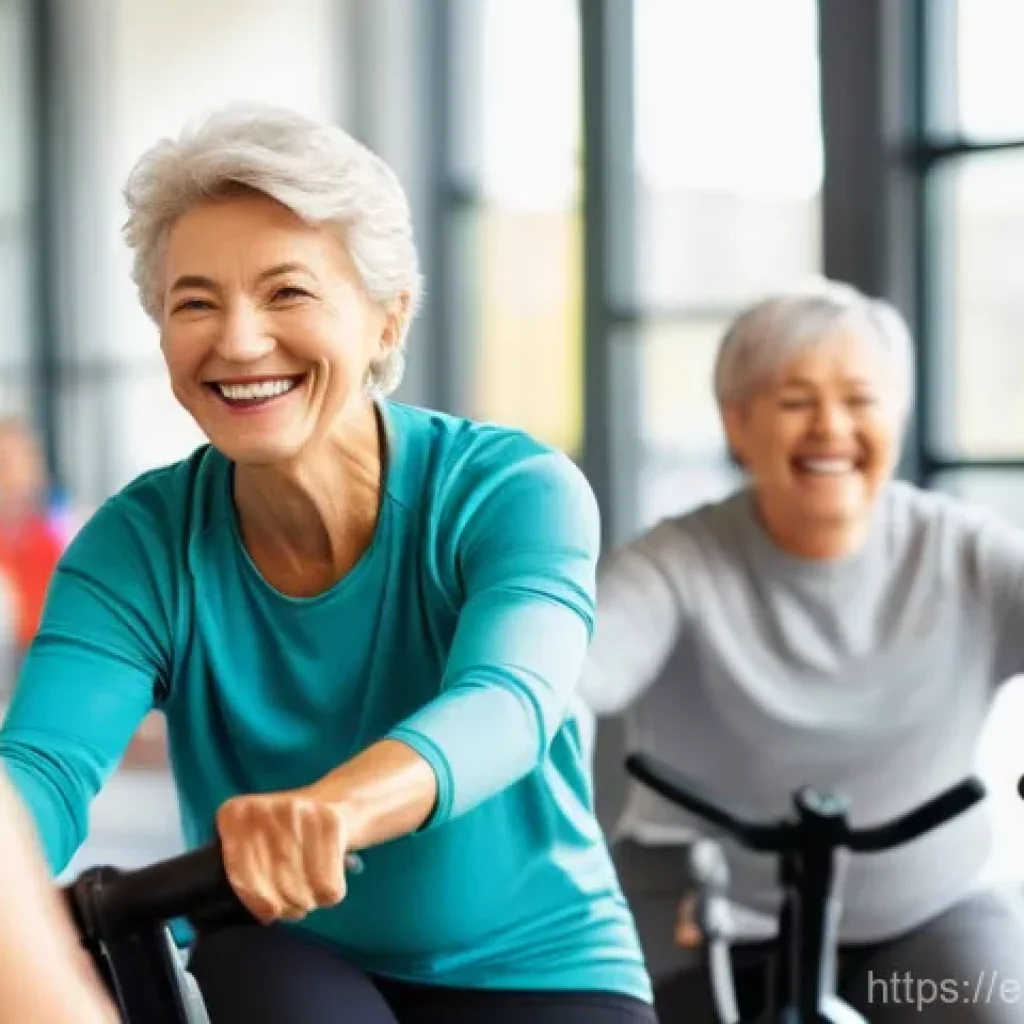
You know, for a long time, exercise was seen as just a general “good for you” thing, but for Parkinson’s, it’s so much more. I’ve personally seen how the right exercise regimen can be an absolute game-changer. It’s not just about staying active; it’s about strategically targeting symptoms and, believe it or not, potentially even slowing disease progression. Think about high-intensity exercise – it sounds daunting, right? But studies have shown that engaging in vigorous activity, like cycling or treadmill training at 80-85% of your maximum heart rate three times a week, can actually decrease the worsening of symptoms and may even improve neuron function by increasing the dopaminergic signal in the brain. It’s like your brain gets a much-needed boost, protecting those precious dopamine-producing cells. It’s an amazing thought that pushing yourself a little harder, safely, could make such a profound difference. The key, as I always tell people, is finding something you genuinely enjoy and can stick with, whether it’s non-contact boxing, dance, tai chi, or simply walking with purpose. A physical therapist specializing in Parkinson’s can help you craft a plan that’s both challenging and safe, making sure you hit those sweet spots for maximum benefit. It truly is medicine in motion.
Beyond the Gym: Exploring Diverse Activities
What I’ve found works best is mixing things up. Nobody wants to do the same boring routine day in and day out, especially when motivation can sometimes be a struggle. That’s why incorporating a variety of activities is so crucial. Aerobic exercise, resistance training, flexibility work, and neuromotor exercises like boxing, dance, or tai chi all offer unique benefits. For instance, dance has been shown to improve motor symptoms, balance, and gait, while also boosting cognitive function and mood. Tai Chi, with its slow, deliberate movements, is fantastic for challenging balance and reducing fall risk. It’s about finding what resonates with you, what makes you feel alive and capable. I once met someone who found immense joy and improved coordination through rock climbing – obviously adapted for safety, but the principle was there: engaging the mind and body in something novel and challenging. That sense of achievement, of overcoming a physical obstacle, can be incredibly empowering.
The “On” Time Advantage for Exercise
Here’s a little pro tip I’ve picked up: timing your exercise sessions with your medication. Many people with Parkinson’s experience “wearing off” periods when their medication isn’t as effective, and symptoms can worsen. If you can, scheduling your physical therapy or higher-intensity workouts during your “on” periods—when your medications like levodopa are working best—can make a huge difference. You’ll likely feel more mobile, have better coordination, and be able to get a more rigorous and beneficial workout. It optimizes every single sweat drop, ensuring you’re making the most of your efforts when your body is most responsive. It’s a small adjustment that can yield surprisingly big results in terms of overall progress and confidence.
Cutting-Edge Technology: Tools for a Brighter Future
It’s truly mind-blowing how technology is revolutionizing Parkinson’s rehabilitation. We’re living in an era where science fiction is becoming reality, offering solutions that were unimaginable just a decade ago. Adaptive deep brain stimulation (aDBS) is one of those incredible advancements. Traditional DBS has been a game-changer for many, but aDBS takes it a step further. Instead of constant stimulation, aDBS systems, like Medtronic’s BrainSense, “listen” to your brain’s unique electrical patterns in real-time and adjust the stimulation accordingly. It’s like having a personalized brain pacemaker that intuitively knows when you need more support and when you need less, mimicking your natural brain rhythms more closely. I’ve heard stories of people experiencing nearly a 50% reduction in their most troublesome symptoms with aDBS, leading to significantly improved quality of life. It’s not just about symptom relief; it’s about reclaiming a sense of autonomy and predictability in daily life.
Virtual Reality: Immersive Pathways to Recovery
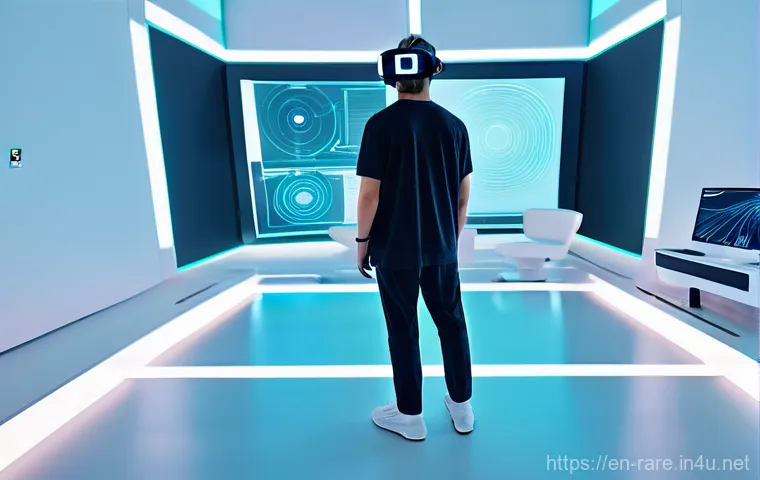
Another area that excites me endlessly is virtual reality (VR) in rehabilitation. Imagine stepping into a virtual world where you can practice walking across a busy street, navigate obstacles, or even play a virtual game of tennis, all from the safety of a clinic or your living room. VR systems offer immersive and interactive environments that make therapy engaging and fun, boosting motivation significantly. What’s so powerful about VR is its ability to provide real-time feedback and adapt tasks to your specific needs, challenging both motor and cognitive skills simultaneously. For someone struggling with balance or freezing of gait, VR can create scenarios that encourage step initiation by overlaying virtual objects, effectively bypassing the brain’s “stuck” signals. I know of a gentleman who used a VR cycling program to rediscover the joy of riding a bike, something he thought was lost forever. The emotional impact of these experiences is just as important as the physical gains.
The Promise of Regenerative Therapies
And let’s not forget about the future, which is looking incredibly bright with regenerative therapies. Stem cell therapy, for instance, aims to replace or repair the damaged dopamine-producing neurons that are at the root of Parkinson’s symptoms. While still largely in investigational stages, early clinical trials are showing promising results, with transplanted cells not only surviving but integrating and beginning to produce dopamine. It’s the ultimate goal: not just managing symptoms, but potentially reversing the damage itself. Imagine a world where we could rebuild what Parkinson’s takes away – it’s a monumental undertaking, but the dedicated researchers are making incredible strides. This is a complex area, but the potential for truly transformative outcomes is enormous.
Nourishing Your Body and Mind: The Holistic Approach
It’s so easy to focus solely on medications and physical therapy, but I’ve always advocated for a truly holistic approach to Parkinson’s management. What you put into your body and how you nurture your mind are just as vital. It’s like building a strong house; you need a solid foundation and a well-maintained interior. For Parkinson’s, that means paying close attention to nutrition and mental well-being, both of which I’ve seen make profound differences in people’s daily lives.
Eating Smart: Nutrition for Brain Health
While there isn’t a “Parkinson’s diet” per se, I’ve seen firsthand how a balanced, nutrient-rich diet can help manage symptoms and support overall brain health. Think of it as fueling your fight. Many experts suggest a diet rich in whole grains, vegetables, fruits, and lean proteins, similar to the Mediterranean or MIND diets. These emphasize plenty of plant-based foods, healthy fats like olive oil, and moderate amounts of fish and chicken. Fiber-rich foods and adequate hydration are your best friends for combating constipation, a common and often uncomfortable Parkinson’s symptom. And here’s a crucial tip: if you’re taking levodopa, which many people with Parkinson’s are, be mindful of protein timing. Protein can sometimes interfere with levodopa absorption, so some people find it helpful to take their medication about an hour before or after a high-protein meal, or even to consume most of their protein at the end of the day. Always talk to your doctor or a dietitian about personalizing this, as everyone’s needs are different.
Supporting Your Emotional and Mental Health
Living with Parkinson’s can be an emotional rollercoaster, and honestly, it’s completely normal to feel frustration, anxiety, or sadness. In my experience, addressing mental health is just as important as addressing motor symptoms. Depression and anxiety are incredibly common, often impacting quality of life even more than physical challenges. This isn’t a weakness; it’s a direct part of the disease process, influenced by dopamine reduction. So, what helps? Engaging in activities you enjoy, prioritizing sleep, and practicing mindfulness can make a significant difference. I’ve seen people thrive by incorporating things like yoga, meditation, or even just regular walks in nature. If things feel overwhelming, don’t hesitate to reach out to a mental health professional. Therapy, especially cognitive behavioral therapy (CBT), can provide invaluable coping strategies and help you process emotions. Remember, you don’t have to face this alone.
Building a Resilient Support Network
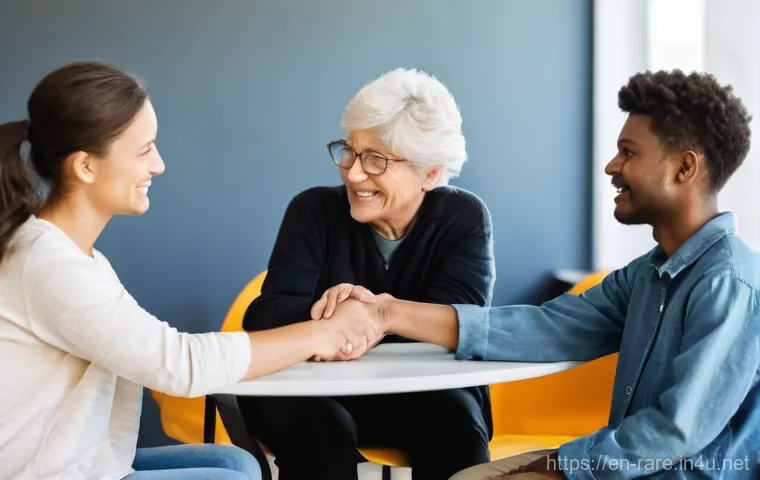
One thing I’ve learned from countless individuals and families I’ve connected with is the undeniable power of a strong support system. When you’re dealing with Parkinson’s, having people in your corner—whether they’re family, friends, or fellow travelers on the Parkinson’s journey—can truly make all the difference. It’s not just about practical help; it’s about emotional connection and shared understanding, which are priceless when navigating this condition.
The Unsung Heroes: Care Partners and Family
Let’s be real, Parkinson’s affects the entire family, not just the individual with the diagnosis. Care partners often take on immense responsibilities, and their well-being is just as crucial. I always emphasize the need for open communication within families, making sure everyone feels heard and supported. Family members can provide invaluable practical assistance, emotional encouragement, and help manage daily tasks, which in turn reduces the burden and stress on everyone involved. I’ve witnessed families who, through shared understanding and commitment, turn challenges into opportunities for deeper connection and resilience. It’s truly inspiring.
Connecting with Your Community: Support Groups
If you haven’t explored support groups yet, I truly encourage you to. They are an absolute goldmine of empathy, practical tips, and shared experiences. There’s something incredibly validating about being in a room (or a virtual room!) with others who *get it*. They understand the nuances, the frustrations, the small victories. Support groups can combat feelings of isolation and loneliness, which, as studies suggest, can significantly impact symptom severity. You’ll pick up tips on everything from managing medications to finding the best adaptive tools, and you’ll realize you’re far stronger and more capable than you thought. Many organizations offer diverse groups, including those for people with Parkinson’s, care partners, or even combined groups, catering to young-onset Parkinson’s or specific interests. Don’t underestimate the power of simply knowing you’re not alone.
| Aspect of Support | Benefits for Parkinson’s Patients | Benefits for Care Partners |
|---|---|---|
| Emotional Encouragement | Reduces feelings of isolation and depression, fosters a positive outlook, enhances coping skills. | Provides an outlet for feelings, validates frustrations, offers empathy and understanding. |
| Practical Assistance | Helps manage daily tasks, improves adherence to rehabilitation programs, assists with appointments. | Shares responsibilities, offers tangible help, and provides strategies for day-to-day challenges. |
| Shared Knowledge & Resources | Access to tips, tools, and information on managing symptoms and improving quality of life. | Learns coping strategies, discovers helpful resources, and gains insights from others’ experiences. |
| Sense of Community | Fosters belonging, reduces loneliness, and builds resilience. | Combats isolation, strengthens personal networks, and reinforces a sense of shared journey. |
Integrating Medication and Rehabilitation: A Synergistic Partnership
When we talk about managing Parkinson’s, it’s never just about one thing. It’s about a symphony of treatments, and for me, seeing how medication and rehabilitation truly complement each other is incredibly powerful. It’s not an either/or situation; it’s a dynamic partnership where each element enhances the other, leading to better outcomes and a higher quality of life. I often describe it as two sides of the same coin, both essential for navigating the complexities of the disease.
Medication as a Foundation for Movement
Medications, particularly those that address dopamine deficiencies like levodopa, are often the first line of defense against Parkinson’s motor symptoms. They can dramatically improve tremors, stiffness, and slowness of movement. What I’ve observed is that when medication is optimized, it creates a crucial window of opportunity for rehabilitation therapies to be most effective. Imagine trying to perform complex physical therapy exercises when your body is rigid and uncooperative due to “off” periods. It’s incredibly challenging, and frankly, disheartening. By managing symptoms effectively with medication, individuals can engage more fully in their physical, occupational, and speech therapies, making greater gains in strength, balance, and coordination. It’s about creating the best possible environment for your body to respond to therapeutic interventions, maximizing every effort you put in.
Rehabilitation Amplifying Medication Effects
But here’s where it gets really interesting: rehabilitation isn’t just a passive beneficiary of medication; it actively amplifies its effects. Regular exercise has been shown to potentially boost the effectiveness of levodopa and other Parkinson’s medications. It’s almost like the physical activity helps your body utilize the medication more efficiently. Physical therapy, for example, focuses on improving motor skills, posture, and balance, directly addressing symptoms that medication might not fully resolve. Occupational therapy helps adapt daily tasks and environments, while speech therapy tackles communication and swallowing difficulties. These specialized therapies work hand-in-hand with medication to optimize functional abilities and enhance independence. The goal is always to maximize your “on” time and make those periods as productive and fulfilling as possible, and this synergistic approach truly delivers on that promise.
Closing Thoughts
As we wrap up our conversation on Parkinson’s rehabilitation, I really hope you feel a renewed sense of empowerment and optimism. It’s a journey, undoubtedly, with its unique set of challenges, but what truly shines through is the incredible resilience of the human spirit and the remarkable advancements being made in care. Remember, you’re not just a passive recipient of treatment; you’re an active participant in your own well-being. By embracing a personalized approach to exercise, staying open to innovative technologies, nourishing your body and mind, and building a strong support network, you’re not just managing symptoms—you’re actively reclaiming life, one purposeful step at a time. It’s about finding what sparks joy, what makes you feel capable, and truly living your best life with Parkinson’s. Keep moving, keep learning, and most importantly, keep believing in your incredible strength.
Useful Information to Know
1. Personalized Care is Paramount: No two Parkinson’s journeys are identical, which means your rehabilitation plan should be as unique as you are. Don’t settle for a generic approach; advocate for a plan tailored to your specific symptoms, lifestyle, and goals. Working closely with specialists who understand Parkinson’s is key to unlocking your full potential and ensuring that every therapy and exercise is truly beneficial for your individual needs. Your unique challenges deserve unique solutions, and an expert team can help you find them, making a world of difference in your daily life and overall progress.
2. Embrace Early Intervention: The earlier you begin comprehensive rehabilitation, the more effectively you can manage symptoms and potentially slow progression. Don’t wait until symptoms become severe to seek out physical, occupational, and speech therapy. Starting early can help you build a strong foundation, establish beneficial habits, and maintain functional abilities for longer. It’s like building a strong defense against the disease, giving you a better chance to stay ahead and preserve your quality of life. Proactive engagement truly pays off in the long run.
3. Mind-Body Connection is Non-Negotiable: Your mental and emotional health are just as crucial as your physical well-being. Depression, anxiety, and fatigue are common non-motor symptoms of Parkinson’s and can significantly impact your quality of life. Prioritizing activities that boost your mood, practicing mindfulness, ensuring adequate sleep, and seeking professional mental health support are vital components of a holistic management strategy. Taking care of your mind empowers you to better cope with physical challenges and maintain a more positive outlook, fostering resilience and overall happiness.
4. Stay Informed and Adaptable: The landscape of Parkinson’s treatment and rehabilitation is constantly evolving. New research, technologies, and therapeutic approaches emerge regularly. Stay connected with reputable Parkinson’s organizations, talk to your medical team, and be open to exploring new options. What works best today might be enhanced tomorrow, and remaining flexible and curious about advancements can open doors to improved symptom management and a better quality of life. Knowledge is power, and staying informed allows you to make the best decisions for your health.
5. Build a Robust Support
Key Takeaways
In essence, managing Parkinson’s is about embracing a proactive, multi-faceted strategy that puts you at the center. We’ve seen how tailored movement programs, leveraging everything from intense cardio to the gentle flow of Tai Chi, can be a potent form of “medicine in motion,” potentially even influencing disease progression. The exciting wave of technological advancements, from adaptive deep brain stimulation to immersive virtual reality, is truly redefining what’s possible, offering hope and tangible improvements in daily function. Let’s not forget the foundational role of a holistic approach: nourishing your body with smart nutrition and fortifying your mind against the emotional toll the condition can take. Finally, the unbreakable bond of a strong support network—from dedicated care partners to empathetic support groups—provides the emotional bedrock for resilience. Remember, the most effective path forward is one where medication and rehabilitation work hand-in-hand, creating a powerful synergy that optimizes every effort you make towards a fuller, more vibrant life.
Frequently Asked Questions (FAQ) 📖
Q: What exactly are these “cutting-edge technologies” doing to transform Parkinson’s rehabilitation?
A: Oh, this is such a fascinating area, and honestly, it’s where I’ve seen some of the most hopeful shifts! Beyond the standard treatments, we’re now seeing amazing tech step in.
For instance, Virtual Reality (VR) isn’t just for gaming anymore; it’s becoming a powerful tool in rehab. Imagine stepping into a virtual world where you can practice balancing on challenging terrains or navigate a busy street, all in a safe, controlled environment.
What I’ve seen firsthand is how this makes therapy engaging and repeatable, which is key for motor learning. It keeps people motivated because it’s genuinely fun, not just a chore.
Then there’s the incredible progress in adaptive Deep Brain Stimulation (DBS). Older DBS systems were often set to a constant stimulation, but these new adaptive ones are like smart assistants for your brain.
They learn your brain’s unique activity patterns in real-time and adjust the stimulation precisely when and where it’s needed. This means more effective tremor control, less stiffness, and fewer side effects.
It’s like having a personalized, always-on coach working inside, optimizing every moment. It truly feels like science fiction becoming reality, offering a level of precision and personalization we only dreamed of a few years ago.
Q: Beyond the tech, how do personalized rehabilitation programs genuinely improve daily life and potentially slow the disease?
A: This is where the magic really happens for day-to-day living! While tech is amazing, the core of transformative rehab often comes down to incredibly personalized, human-centered approaches.
What I’ve consistently observed is that high-intensity exercise isn’t just about feeling better; there’s growing evidence that it can actually have neuroprotective effects, potentially slowing the progression of Parkinson’s.
Think vigorous cycling, boxing, or intense treadmill work. It’s challenging, for sure, but the feeling of accomplishment and the tangible improvements in gait, balance, and coordination are immense.
It helps rewire the brain, improving motor control and even mood. Then there’s the power of a multidisciplinary team. It’s not just one therapist; it’s a carefully coordinated effort involving physical therapists, occupational therapists, and speech-language pathologists, all working together on a plan tailored just for you.
A physical therapist might focus on your walking and balance, an occupational therapist helps you with everyday tasks like dressing or cooking with greater ease and independence, and a speech therapist might work on your voice volume and clarity.
What I’ve learned is that addressing these areas holistically, with a program designed for your specific challenges and goals, can make an unbelievable difference in maintaining independence and boosting confidence.
It’s about reclaiming parts of your life, not just managing symptoms.
Q: With so many options, how can someone with Parkinson’s find the right rehabilitation program for them?
A: This is such a crucial question, because honestly, a “one-size-fits-all” approach just doesn’t work with Parkinson’s. From my experience, the first and most important step is to consult with your neurologist or movement disorder specialist.
They are your primary guides and can refer you to specialized Parkinson’s rehabilitation centers or therapists who truly understand the nuances of the disease.
What I always emphasize is the importance of finding a multidisciplinary team that specializes in Parkinson’s. Look for clinics or practices that have physical therapists, occupational therapists, and speech-language pathologists who are specifically trained in Parkinson’s care.
These specialists will conduct thorough assessments to understand your unique symptoms, challenges, and personal goals. Are you struggling with balance?
Voice projection? Fine motor skills for hobbies? The “right” program is the one that directly addresses your specific needs and helps you achieve your desired outcomes.
Don’t be afraid to ask questions, advocate for yourself, and even try a few different options until you find a team and a program that feels like the perfect fit.
Your comfort and engagement are absolutely vital for long-term success, and finding people who truly ‘get’ Parkinson’s makes all the difference in that journey.