New medical technologies may broaden support and treatment options for some complex, hard-to-treat disabilities, but they are not one-size-fits-all solutions.
Neuroprosthetics, brain-computer interfaces, gene-based research, and AI-assisted rehabilitation can be meaningful in selected situations, while availability and evidence vary widely.
Some tools aim to improve function or independence rather than change the underlying condition. Others remain investigational and may only be offered through regulated clinical research.
A careful assessment of goals, safety, evidence, and practical support helps place new technology in context.
What Makes a Disability Difficult to Treat?
A disability may be difficult to treat when its underlying cause is complex, when it affects several body systems, or when available care cannot reliably restore lost function. “Hard to treat” does not mean that nothing can be done. It often means that care needs to combine medical management, rehabilitation, assistive technology, and long-term support around the person’s specific priorities.
Differences between symptom support and disease-modifying care
It is useful to separate technologies that support function from those intended to alter an underlying disease process. A communication device, mobility aid, or adaptive control may improve daily life without treating the original condition. Neuromodulation, regenerative approaches, or gene-based therapies may be studied for effects on biological mechanisms, but their role depends on the diagnosis and the quality of clinical evidence. Both approaches can matter; functional gains are still valuable even when a cure is not available.
Why individualized assessment matters
The same diagnosis can affect people differently. A specialist team may consider the cause of the disability, current abilities, health status, functional goals, potential risks, and access to follow-up care. A device that is technically suitable may still be impractical if it requires training, regular maintenance, caregiver assistance, or services that are not locally available. Individual benefit cannot be assumed from a technology’s general promise.
Technology Areas Shaping Care
Neuroprosthetics, stimulation, and brain-computer interfaces
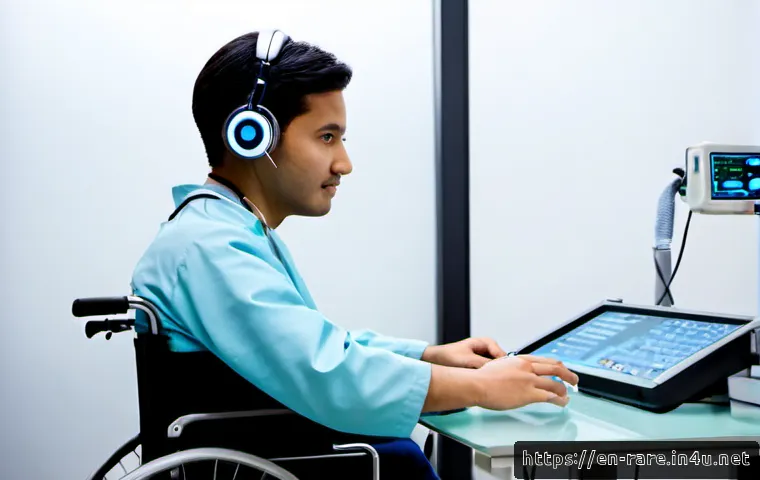
Neuroprosthetics can help replace, support, or guide functions affected by neurological impairment. Stimulation-based approaches may also be considered in selected clinical settings. Brain-computer interfaces, often called BCIs, are being developed to translate brain signals into commands for communication tools, computers, or other devices. These technologies may be relevant to some people with paralysis or severe communication limitations, but access, eligibility, safety, and real-world performance vary.
Some systems may require specialist fitting, intensive training, or ongoing technical support. Others may be available only in research settings. It is important not to treat a research demonstration as proof that a device will work for every person with a similar impairment.
AI-assisted rehabilitation and adaptive assistive devices
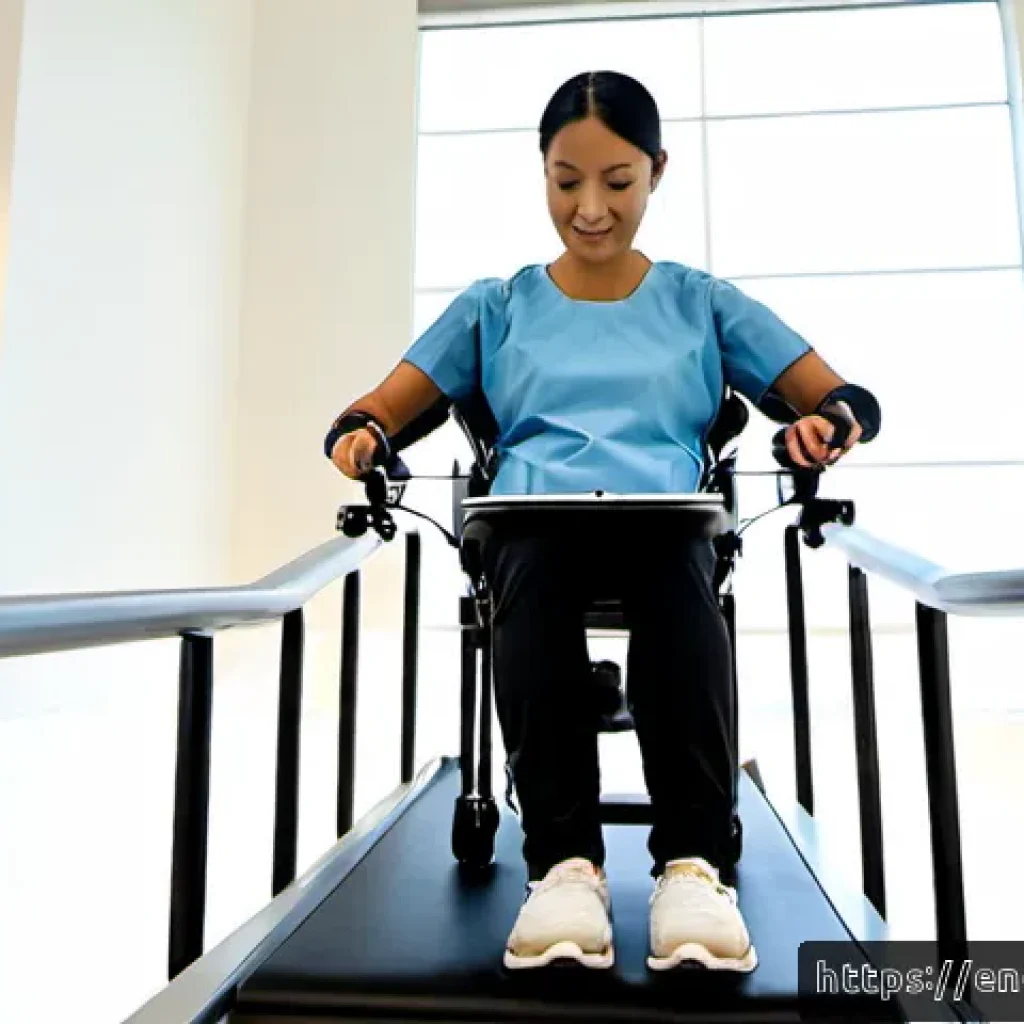
AI-supported clinical tools and digital rehabilitation platforms may help tailor exercises, monitor performance, or adjust assistance over time. Adaptive assistive devices can support communication, mobility, daily activities, and participation. Their value may lie in making a task easier, more consistent, or more responsive to changing needs rather than in changing the condition itself.
Practical questions matter here. People may need time to learn a system, help with setup, reliable maintenance, and clear privacy information when personal data are collected. A useful tool should fit daily routines and the person’s own goals, not simply offer advanced features.
| Technology area | Possible role | Key point to check |
|---|---|---|
| Assistive technology | Supports communication, mobility, daily living, or rehabilitation | Fit, training, maintenance, and caregiver support |
| Neuromodulation or neuroprosthetics | May support selected neurological functions | Clinical suitability, safety profile, and specialist follow-up |
| Brain-computer interfaces | May enable device control or communication in selected cases | Whether access is established care or regulated research |
| AI-assisted rehabilitation | May personalize practice or track rehabilitation activity | Evidence of benefit, privacy, and sustained usability |
Regenerative and Gene-Based Research
Where research may be promising and where evidence remains limited
Regenerative approaches and gene-based therapies are areas of active research for certain conditions. Their potential depends heavily on the biological cause of a disability, the stage of the condition, and the intervention being studied. A promising early result does not establish effectiveness, long-term durability, or safety for broader use.
When an intervention is experimental, it may be available only through regulated clinical research. Trial availability and eligibility criteria can change, and participation does not guarantee benefit. Discussions with qualified clinicians and research teams should include possible risks, the purpose of the study, follow-up expectations, and what is known versus still uncertain.
How to Evaluate a New Treatment Option
Questions to ask clinicians, researchers, and device providers

Start with practical, specific questions. What functional goal is this option designed to address? Is it established care, or is it investigational? What evidence applies to this diagnosis and level of impairment? What are the known safety concerns, and what remains unknown? Ask who will provide training, repairs, clinical monitoring, and support if the technology does not work as expected.
It can also help to ask how success will be measured. For one person, success may mean clearer communication. For another, it may mean safer transfers, greater mobility, or less dependence during a daily task. Defining that goal early makes it easier to judge whether an option is worth pursuing.
Safety, evidence, accessibility, and ongoing support
A sound decision weighs potential benefit against risks, burden, and uncertainty. Evidence should be considered alongside access to specialist care, device maintenance, privacy practices, and the support available to family members or caregivers. Approval status, funding, and availability differ by country and health system, so these details need local confirmation.
Newer interventions can attract understandable attention, especially when current options feel limited. Still, strong claims should be treated carefully when they do not explain clinical evidence, limitations, or the need for follow-up care.
Preparing for Future Care Decisions
Future planning works best when it is flexible. Keep a record of current functional goals, previous treatments, rehabilitation progress, and questions for the care team. Review options as needs change, since an assistive device or rehabilitation approach that was not appropriate at one stage may become useful later.
It is also reasonable to include practical planning from the beginning. Consider who will help with training, whether the technology can be maintained over time, and how personal data will be handled. A careful plan does not remove uncertainty, but it can make decisions more realistic and person-centered.
Closing Thoughts
Emerging disability technologies can create meaningful possibilities, particularly when they are matched to a clear functional need. They should be viewed as part of a broader care plan rather than as automatic replacements for rehabilitation, assistive support, or specialist guidance. The most appropriate option depends on the individual condition, the evidence available, and the support needed to use it safely over time. When uncertainty is high, asking precise questions is often more helpful than chasing the newest claim.
Useful Information to Keep in Mind
New technology may support function even if it does not treat the underlying condition. Eligibility and availability can differ across health systems. Research participation is not the same as receiving established care. Training, maintenance, privacy, and caregiver support can shape whether a tool is useful in daily life.
Key Points
Neuroprosthetics, BCIs, gene-based research, AI-assisted rehabilitation, and assistive devices may each have a role in selected cases. Their benefits, risks, durability, and access should be assessed individually, with particular care around newer or investigational interventions.
Frequently Asked Questions
Q1. What are the newest medical technologies for hard-to-treat disabilities?
A1. Areas receiving attention include neuroprosthetics, neuromodulation, brain-computer interfaces, AI-assisted rehabilitation, adaptive assistive devices, regenerative approaches, and gene-based research. Their relevance depends on the underlying condition, the person’s functional goals, clinical evidence, and access to specialist care.
Q2. Are brain-computer interfaces available for people with paralysis or communication disabilities?
A2. Brain-computer interfaces may be relevant for some people with paralysis or communication disabilities, particularly for device control or communication support. However, availability, eligibility, safety, and performance vary, and some systems may be offered only through regulated clinical research.
Q3. How can patients tell whether a disability treatment is established or experimental?
A3. Ask the clinician, researcher, or provider whether the option is established clinical care or part of a regulated research study. Also ask what evidence supports its use, what risks and uncertainties remain, what follow-up is required, and whether the option is available through the local health system.