ALS symptom relief is usually most effective when comfort measures, clinician-guided care, and adaptive equipment are considered together. The right support depends on the person’s current mobility, speech, swallowing, breathing, energy level, and home situation.

Gentle positioning, pacing, stretching, and therapy guidance may support daily comfort, but new or worsening symptoms should be discussed with the clinical team promptly.
Multidisciplinary ALS clinics can help coordinate therapy, respiratory care, nutrition, communication support, and caregiver planning. When comparing equipment or services, focus on assessment, training, home fit, maintenance, and insurance coverage rather than choosing based on a product description alone.
Planning early can make later decisions less rushed without requiring unnecessary purchases.
At a Glance
- Everyday comfort: Gentle movement, safe positioning, pacing, and professional therapy guidance may reduce problems related to immobility.
- Clinical support: ALS clinics and palliative care can coordinate symptom management, respiratory support, nutrition, therapy, and caregiver needs.
- Equipment decisions: Mobility aids, communication devices, transfer tools, and home modifications should match current function, home layout, and a professional assessment.
| Support Type | Best Fit | Professional Involved | Questions to Compare |
|---|---|---|---|
| Therapy services | Changes in movement, daily tasks, speech, or swallowing | Physical, occupational, or speech-language therapist | Assessment scope, visit format, home guidance, insurance coverage |
| Respiratory and supportive care | Breathing discomfort, sleep concerns, symptom planning | Respiratory care team, palliative care team | Clinical follow-up, caregiver education, available support services |
| Mobility and transfer equipment | Falls, fatigue, difficult transfers, reduced walking safety | Occupational or physical therapist | Rental options, training, maintenance, warranty, home compatibility |
| Communication technology | Speech changes or increasing effort to communicate | Speech-language pathologist | Low-tech versus high-tech options, setup, training, coverage |
What Can Help Improve Day-to-Day Comfort With ALS?
Three priorities: safety, energy conservation, and symptom-specific support
Comfort planning often begins with three practical goals: reduce safety risks, save energy for meaningful activities, and match support to the symptom causing the most difficulty. For example, a person who becomes tired during routine tasks may benefit from pacing, accessible storage, or occupational therapy guidance. Someone having difficulty moving in bed may need a positioning review or pressure-relief support rather than simply trying to push through discomfort.
Small changes can matter. Keeping commonly used items within easy reach, allowing extra time for tasks, and using safer transfer routines can reduce strain on both the person with ALS and the caregiver. A clinical or therapy assessment is important before making major changes to movement routines or equipment.
Why individualized care plans matter as needs change
ALS affects voluntary muscle control, but symptoms and care needs vary widely. A plan that fits today may not fit later. Regular check-ins can help the care team adjust therapy goals, communication supports, respiratory care, nutrition planning, and home equipment choices as function changes.
Match Common Symptoms to the Right Type of Support
Mobility changes, stiffness, fatigue, and fall prevention
Gentle movement, stretching, positioning, and professional therapy guidance may help maintain comfort and reduce complications related to immobility. A physical therapist can help consider safer movement patterns, while an occupational therapist can assess daily tasks and the home environment.
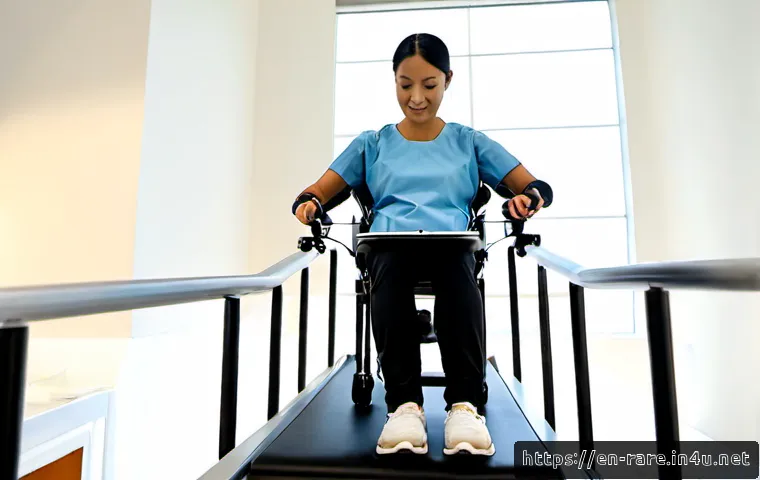
If falls, difficult transfers, or fatigue are becoming more common, it may be time to discuss mobility aids, transfer equipment, or home modifications. The best option depends on current function and the space available at home. Avoid selecting a wheelchair, lift, or transfer aid based only on appearance or general reviews; fit, training, and caregiver use are central safety issues.
Speech and communication difficulties
Speech changes can make conversations tiring or frustrating. A speech-language pathologist can assess communication needs and recommend low-tech communication supports or high-tech communication devices. The right choice may depend on speech clarity, hand function, fatigue, eyesight, comfort with technology, and how the device will be used at home and outside the home.
It can be useful to explore communication options before speaking becomes consistently difficult. Ask whether training is included, whether the device can be adjusted as needs change, and what support is available if setup or maintenance is needed.
Swallowing, nutrition, hydration, and mealtime safety
Swallowing difficulties, dehydration, and unintentional weight loss should be discussed promptly with the clinical team. A speech-language pathologist and nutrition professional can help assess swallowing and nutrition needs. Mealtime changes should not be treated as a problem to solve alone with online tips, supplements, or unverified remedies.
Caregivers can keep useful observations for appointments: changes in effort during meals, fatigue, hydration concerns, food or drink difficulties, and unintended weight changes. This information can help the team decide what support or assessment is appropriate.
Breathing discomfort, sleep concerns, pain, and emotional strain
Breathing symptoms and sudden symptom changes need prompt clinical discussion. Respiratory care is an important part of ALS support, especially when breathing comfort or sleep becomes a concern. Pain, emotional strain, and caregiver stress also deserve attention rather than being treated as secondary issues.
Palliative care can be provided alongside disease-focused treatment. It may help with symptom management, care planning, and caregiver support. Asking about palliative care does not mean stopping other care; it is a way to add support around comfort and practical decisions.
Comparing Care Services, Therapy, and Adaptive Equipment
When a multidisciplinary clinic may be valuable
A multidisciplinary ALS clinic can coordinate neurology, respiratory care, physical therapy, occupational therapy, speech-language therapy, nutrition, and supportive care. This can reduce the burden of trying to connect separate services without a shared plan. It may be especially useful when mobility, communication, swallowing, and breathing needs are changing at the same time.
Physical, occupational, speech, respiratory, and palliative care roles
Each service answers a different question. Physical therapy may focus on movement and comfort. Occupational therapy may address daily activities, home setup, and adaptive equipment. Speech-language therapy can assess communication and swallowing changes. Respiratory care addresses breathing-related concerns. Palliative care can support symptom planning, preferences, and caregiver needs.
Mobility aids, transfer equipment, pressure-relief tools, and communication technology
Equipment can improve access and comfort when it is properly matched to the person and home. Consider current function, doorways and room layout, caregiver ability, and training requirements. Pressure-relief products, transfer aids, and mobility devices may all require different levels of setup and ongoing support.
Questions to ask about pricing, rental plans, training, maintenance, and insurance coverage

Before choosing a provider or equipment vendor, ask what assessment is required, whether rental is available, what training is included, and who handles repairs or maintenance. Insurance-covered support services and equipment coverage can vary, so confirm eligibility, documentation requirements, and out-of-pocket responsibilities directly with the insurer or provider.
Practical Home Routines and Mistakes to Avoid
Safer positioning, pacing, accessible storage, and caregiver body mechanics
Create routines that reduce repeated strain. Keep essentials at an accessible height, allow rest breaks before fatigue becomes overwhelming, and review positioning needs with a qualified professional. Caregivers should also ask for transfer guidance rather than relying on improvised lifting techniques that may increase injury risk.
Avoiding unverified remedies and unsupported treatment claims
ALS care decisions can feel urgent, which can make broad claims about supplements, devices, or therapies appealing. Be cautious with products that promise predictable symptom improvement or replace clinical assessment. A claim that works for everyone is not a reliable basis for a personal care decision.
When not to wait: symptoms that need prompt clinical advice
Contact the clinical team promptly for respiratory symptoms, swallowing difficulties, falls, dehydration, unintentional weight loss, or sudden symptom changes. These concerns may require professional assessment rather than home management alone.
Planning for Changing Needs Without Overbuying
Start with an assessment before major home or equipment purchases
Before purchasing major equipment or making home modifications, ask for an assessment that considers present needs and likely daily use. This can help avoid buying an item that does not fit the home, is difficult for caregivers to operate, or becomes unsuitable quickly.
Rent, borrow, or buy: factors that affect value
Rental, borrowing, and purchase options each have different practical trade-offs. Rental may be worth exploring when needs are changing or when trying equipment fit first. Buying may make more sense when an item is expected to be used regularly and can be supported with training and maintenance. Compare the full arrangement, not only the initial price.
Involving caregivers and documenting preferences early
Caregivers often manage setup, transfers, charging, cleaning, appointments, and communication with providers. Include them in decisions early. It can also help to document preferences about daily routines, communication methods, and comfort priorities before decisions become urgent.
Choosing Support for the Next Stage: A Comparison Summary
Use this checklist when comparing care programs, therapy providers, or adaptive equipment:
- Is there a professional assessment for the person’s current needs and home environment?
- Does the option address the main concern: mobility, communication, swallowing, breathing, or caregiver strain?
- Are rental, warranty, maintenance, and training details clearly explained?
- Can the provider explain insurance coverage requirements and any possible out-of-pocket costs?
- Will the option still be practical if strength, speech, or transfer needs change?
Compare assessment, rental, warranty, training, and coverage options on the relevant provider or equipment page before making a commitment.
In Closing
Managing ALS symptoms is not about finding one universal solution. It is about matching support to current needs while leaving room for change. A coordinated clinical team, practical home routines, and thoughtfully selected assistive technology can make decisions more manageable for both the person living with ALS and caregivers. When symptoms shift quickly, clinical advice should come before a new product purchase or home workaround.
Useful Information to Keep in Mind
Keep a short record of changes in mobility, speech, swallowing, breathing, comfort, hydration, and fatigue. Bring that record to clinic or therapy appointments. It can help the team identify which service, equipment assessment, or care adjustment deserves attention first.
Important Notes
This information is general education, not an individual diagnosis or treatment plan. The appropriate timing for respiratory, feeding, mobility, or communication interventions depends on an individual clinical assessment. Coverage, equipment rental terms, pricing, and local services should be confirmed with the relevant provider, vendor, or insurer.
Frequently Asked Questions
Q1. What are safe ways to relieve discomfort and fatigue in someone with ALS?
A1. Gentle positioning, pacing, stretching, and professional therapy guidance may support comfort and help reduce complications related to immobility. The safest approach depends on the person’s function and symptoms, so persistent discomfort, falls, breathing concerns, or sudden changes should be discussed with the clinical team.
Q2. When should a person with ALS consider a wheelchair, communication device, or home modification?
A2. Consider an assessment when walking, transfers, speech, daily tasks, or home access are becoming more difficult or tiring. A physical therapist, occupational therapist, or speech-language pathologist can help match the option to current function, caregiver needs, and the home layout.
Q3. Are ALS clinic services and adaptive equipment usually covered by health insurance?
A3. Coverage varies by insurer, plan, equipment category, clinical documentation, and local provider arrangements. Ask the clinic, equipment vendor, and insurer what assessment, prescription, authorization, rental terms, or other documentation may be needed before choosing a service or device.