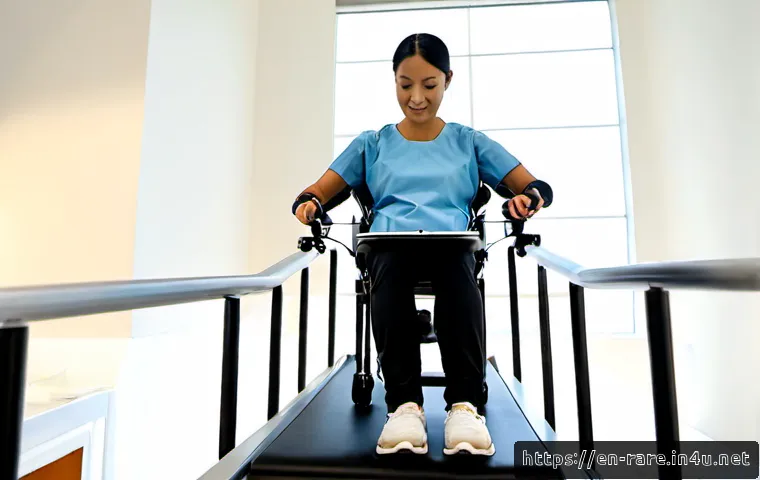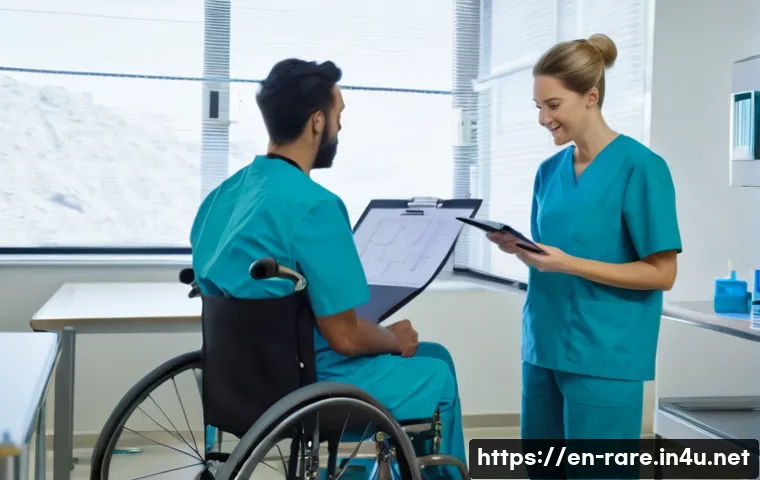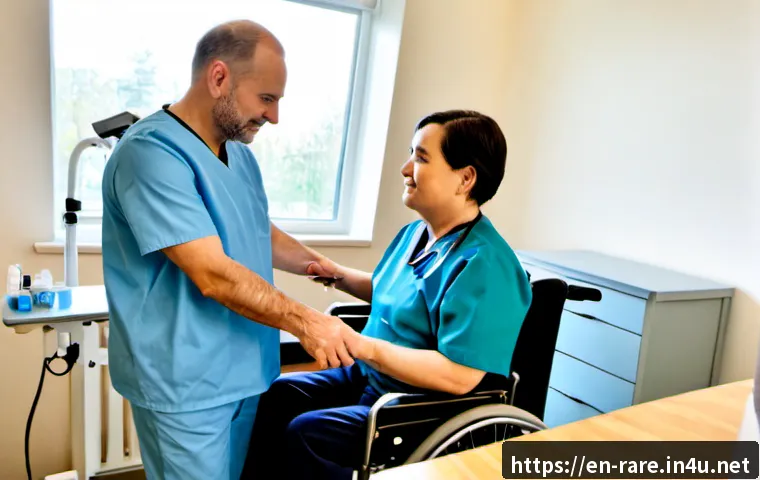
The right rehabilitation equipment is the equipment that safely supports a specific daily goal, not simply the device with the most features. For severe long-term disabilities, professional assessment is often more valuable than buying a general-purpose product without checking fit, training needs, and home compatibility.
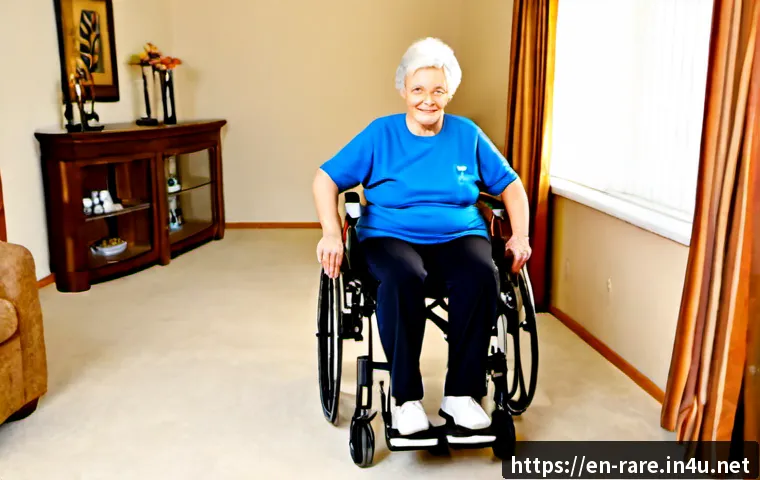
Start by identifying whether the priority is positioning, transfers, seated activity, supported mobility, or participation in routines. Then compare supervision requirements, floor space, service terms, and rental options.
A provider quote should be reviewed as a full support package, not only as a purchase price. Coverage, prescriptions, and reimbursement requirements should be confirmed with the relevant insurer or payer.
At a Glance
- Match the device to a functional goal: positioning, transfers, mobility practice, range-of-motion work, or daily participation.
- Safety depends on fit and training: poor fit or unsupervised use may contribute to falls, pain, pressure injuries, or overexertion.
- Compare total value: ask about fitting, training, repairs, warranty, rental terms, and home setup before committing.
| Equipment focus | Main purpose | Supervision needs | Home-space demand | Service and rental considerations |
|---|---|---|---|---|
| Positioning supports | Comfort, alignment, and pressure management | Depends on the person’s positioning needs | Usually lower, but storage still matters | Fitting and reassessment may be important; ask whether adjustments are included |
| Transfer and lifting equipment | Moving between bed, chair, toilet, or other surfaces | Often requires trained caregiver assistance | Needs clear routes and caregiver working room | Rental or trial may help when needs are changing |
| Supported standing or mobility devices | Supported standing, walking, or mobility practice | May require close supervision and professional guidance | Often requires more open floor area | Ask about setup, adjustments, maintenance, and training |
| Seated exercise tools | Upper-limb activity or seated rehabilitation work | Varies with cognition, strength, and safety instructions | Often modest, depending on the device | Check stability, fit, return policy, and service options |
Start With Function and Safety, Not the Device Name
A product category is only a starting point. The more useful question is: what activity should this equipment support safely? A person may need help maintaining position in bed, completing a transfer, sitting for an activity, practicing supported movement, or taking part in a daily routine. Equipment should be considered in relation to diagnosis, strength, joint stability, skin integrity, cognition, and the ability to follow safety instructions.
The Quickest Way to Match Equipment to a Rehabilitation Goal
Write down one practical goal before comparing models. For example, the goal may be safer caregiver-assisted transfers, more stable seated participation, or supported mobility practice. This prevents a common mistake: comparing features that look useful but do not solve the actual daily problem. A larger or more complex adaptive device is not automatically the better choice.
When Professional Assessment Matters Most
A therapist, rehabilitation physician, or qualified equipment professional can be especially helpful when there is limited trunk control, changing mobility, pain, contractures, skin concerns, or uncertainty about weight-bearing status. Many devices need professional fitting, adjustment, training, or periodic reassessment. These services can be more important than an optional accessory when safety is uncertain.
Three Questions to Answer Before Comparing Products
- What task should become safer, easier, or more possible?
- Who will operate the equipment, and what supervision will be available?
- Can the home provide adequate clearance, stable flooring, access routes, and safe storage?
Compare Equipment Categories by Support Level and Daily Use
Rehabilitation equipment can support different parts of daily life. Compare categories by the level of physical support required, the caregiver role, and whether the device can be used consistently in the home environment.
Positioning and Pressure-Management Supports
Positioning equipment may support alignment, comfort, and participation while sitting or lying down. The key selection issue is fit against the person’s body and skin needs, not appearance or general size labels. Pressure concerns, pain, and changing posture should be reviewed by an appropriate professional rather than solved by adding supports without guidance.
Transfer and Lifting Equipment
Transfer equipment is intended to assist movement between surfaces. It may be relevant when caregiver help is required, but it also demands careful planning. Check floor conditions, turning room, doorway clearance, bed and chair access, and the space needed for a caregiver to work safely. Training should cover both the user’s position and the caregiver’s operation of the device.
Supported Standing, Walking, and Mobility-Training Devices
These devices may support mobility practice or standing activities for some individuals. Their suitability depends on stability, strength, joint condition, safety instructions, and the person’s ability to participate. Do not assume that a higher-capacity mobility support device is safer without confirming that it fits the user, goal, and supervision plan.
Seated Exercise and Upper-Limb Rehabilitation Tools
Seated tools may be considered for range-of-motion work or activity participation. Look for stable placement, accessible controls, and a setup that does not force unsafe reaching or posture. If cognition or fatigue affects safe use, supervision and a simpler setup may matter more than added exercise options.
Cost, Rental, and Provider Quote Factors That Affect Value
The purchase price is only one part of a rehabilitation equipment comparison. A lower initial quote may not include fitting, delivery, setup, training, maintenance, repairs, or future adjustments. Review the full support arrangement before deciding whether a purchase, rental, trial, or refurbished option makes sense.
Purchase Price Versus Total Ownership Cost
Ask what is included in the quoted amount. Important items may include assessment, delivery, installation, fitting, caregiver training, warranty coverage, maintenance, repair response, and replacement parts. If coverage is involved, confirm prescription requirements, medical-necessity documentation, and reimbursement rules with the insurer or payer.
When a Rental or Trial Period May Reduce Financial Risk
A rental or trial can be useful when needs are changing, the home setup has not been tested, or the family is unsure whether the device will be used consistently. Rental availability varies by equipment category and local provider. Ask whether the trial includes fitting and whether any adjustment or return conditions apply.
What to Check in Delivery, Fitting, Warranty, Maintenance, and Repair Terms
Provider quote evaluation should include practical questions: Who sets up the equipment? Who provides training? What happens if fit changes? How are repairs handled? Is routine maintenance available? These details affect usability long after the device arrives.
Home Setup, Training, and Mistakes That Can Create Safety Problems
Even well-selected medical equipment can create problems when the home environment or training plan is overlooked. Safety depends on the full routine: where the device is used, who assists, how it is stored, and when needs are reassessed.

Measure Space, Flooring, Access Routes, and Caregiver Working Room
Measure the intended room, doorway clearance, hallways, and approach to the bed, chair, or bathroom before arranging delivery. Confirm that surfaces are stable and that the device can be stored without blocking essential routes. Caregivers need enough room to position themselves safely during use.
Avoid Assuming a Higher-Capacity Device Is Automatically Safer
More features, more size, or a more robust-looking frame does not replace clinical fit. A device can be unsuitable if it creates awkward positioning, cannot move through the home, or requires a level of supervision that is not available. Compatibility is a safety feature.
Build a Training and Reassessment Plan
Ask who needs training and what should be reviewed after delivery. Needs can change over time, and some equipment requires periodic adjustment. A reassessment plan is particularly useful when strength, posture, mobility, pain, or caregiver availability changes.
Choose by Situation: Bed-Based Care, Transfers, Seated Therapy, or Supported Mobility
Selection becomes clearer when the daily situation is defined. The device should support the person’s routine while reducing avoidable strain or risk for both the user and caregivers.
Priorities When the Person Has Limited Trunk Control
Focus on positioning, stability, skin considerations, and the ability to maintain a safe posture during the intended activity. Professional fitting may be particularly valuable because general-purpose supports may not address individual alignment needs.
Priorities When Caregiver Assistance Is Required
Prioritize clear operating procedures, caregiver working room, and training. Transfer assistance equipment should be evaluated in the real environment where it will be used, including access around furniture and through doorways.
Priorities When the Goal Is Greater Participation in Daily Routines
Consider which device supports access to meaningful routines, such as sitting for an activity, moving between spaces, or participating in household tasks. The best option is often the one that can be used safely and consistently, rather than the one with the longest feature list.
Selection Criteria and Comparison Summary
Before requesting a rehabilitation equipment quote or arranging a trial, check clinical fit, safety requirements, home compatibility, service terms, and budget responsibility. Confirm whether professional assessment is needed, whether caregivers can be trained, and whether the equipment can be safely delivered, operated, and stored. Compare rental versus purchase terms if long-term use is uncertain. Review insurance or payer requirements separately because coverage and reimbursement rules vary. For official product details, service conditions, and return terms, check the relevant provider page directly.
Compare Before You Commit
- Does the quote include fitting, adjustment, delivery, setup, and caregiver training?
- Can the device be trialed or rented if the long-term need is uncertain?
- What warranty, maintenance, repair, and return-policy terms apply?
- Has the intended room been measured for clearance, flooring, access, and storage?
- Have prescription, medical-necessity, and reimbursement requirements been confirmed where relevant?
Conclusion
Choosing equipment for severe long-term disability is not mainly about finding the most advanced product. It is about matching support to a real rehabilitation or daily-living goal while accounting for safety, caregiver capacity, and the home environment. Professional fitting and training can be central parts of value, especially for equipment used for transfers, positioning, or supported mobility. When uncertainty remains, a rental or trial arrangement may provide useful information before a larger commitment.
Useful Information
Keep a comparison file: include measurements, provider quotes, service terms, assessment notes, training details, and payer communications. This makes it easier to compare adaptive devices on practical value rather than on product descriptions alone.
Important Notes
This information is general and does not determine whether a particular device is appropriate for an individual. Diagnosis, pain, contractures, fall risk, skin integrity, weight-bearing status, and home conditions require individual confirmation. Coverage, pricing, availability, delivery fees, and rental terms vary by provider and location.
Frequently Asked Questions
Q1. What rehabilitation equipment is safest for a person with severe long-term disability?
A1. The safest option depends on the person’s functional goal, physical condition, ability to follow safety instructions, supervision level, and home setup. Equipment that is professionally fitted and used with appropriate training may be safer than a general-purpose device selected without assessment.
Q2. Is it better to rent or buy adaptive rehabilitation equipment for home use?
A2. Renting or arranging a trial may be useful when needs are changing, long-term use is uncertain, or the home setup has not been tested. Buying may be considered when the equipment remains appropriate over time and service, fitting, maintenance, and coverage terms are clear.
Q3. What should be included in a rehabilitation equipment provider quote?
A3. Ask whether the quote includes delivery, setup, fitting, adjustments, caregiver training, warranty coverage, maintenance, repairs, return conditions, and any documentation needed for insurance or reimbursement review.